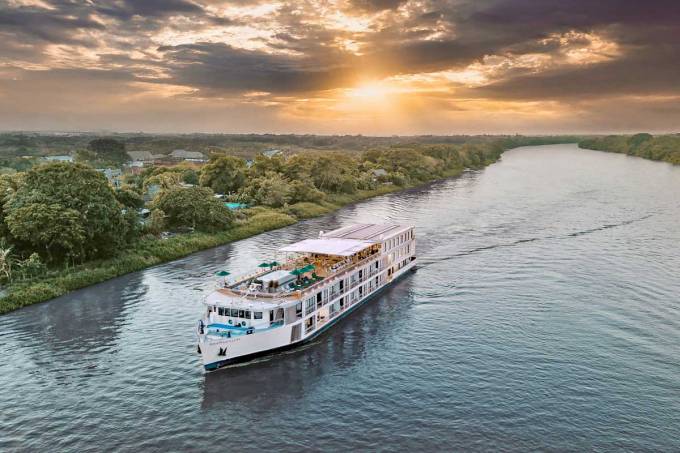
AmaWaterways has pioneered this cruise as the first non-Amazonian river cruise in South America to be served by an international cruise line. It plies between the least touristy of the major Colombian cities and the most, with each pole having much to offer. The river itself is the most important waterway of Colombia, the home to old colonial cities; Afro-Caribbean settlements; vast bird populations; the largest wetlands in Colombia; and the classic folk dance, the cumbia. Kudos to AMA, not only for opening up the route but for sponsoring activities for their passengers in the small towns that have added employment and new dimensions to the local economies. Although this commentary is not intended to be an AmaWaterways promotion, the fact is that the cruise is both enjoyable and the only practical way to visit this region.
My wife Karin and I travel extensively, and this is an itinerary that targets the seasoned traveler or the adventurer looking to do something out of the ordinary. And because this market is newly developed, some allowances should be made. Hosting only 80 or so passengers, the AmaMagdalena experience is intimate in a setting that offers the functionality of larger river ships but less glitz and a little less activity than its European sister ships. Because many of the excursion sites are otherwise underdeveloped, it is particularly important to visit this region on a cruise that has the contacts to ensure that you experience the best.
Dining on AMA offers a mix of international and Colombian cuisines, with pretty comparable breakfasts but other meals that don’t quite meet AMA’s high standards in Europe. Variety of fruits given Colombia’s vaunted biodiversity is a plus, while chronic overcooking of meat, and limited snack offerings during off-meal hours are minuses. The one dining room venue is all-purpose except for the once-a-week chef’s tasting dinner, which is a step above the regular fare, and an outdoor barbeque which is tasty and fun.
Excursions and most alcoholic drinks are included. Staff attitude and personal attentiveness is excellent, but there is a laxness on keeping various inventories refreshed. We did have itinerary changes that were necessary because of uncontrollable conditions but were sometimes not well communicated, and talks about the locale and coming activities were uneven. Still, all of the passengers we talked to were happy with the experience, as were we.
Colombia is a land of great variation from snowcapped mountains to deserts, a primary source of metals, cocaine, emeralds, coffee, and cut flowers. Karin and I had been in Bogota, Medellin, and Cartagena but were most pleased to add this experience to our memory banks.
Barranquilla
The fourth largest city in the country, its success in trade and industry has not been accompanied by tourism, but that is changing with a newfound focus. Unlike other Colombian cities, there is no colonial area as it was destroyed by the Spanish in revenge for the revolution which freed Colombia, Venezuela, and Ecuador. The new part of town where the international hotels are found is a vast area of high-rise apartments on well-kept streets which is extremely safe. Numerous appealing malls house famous international retail shops, many restaurants, and a buzz of activity of locals. The city is famed for having the world’s second largest Carnaval to Rio’s and hosting the nation’s soccer team. We were there during the 2026 World Cup, and the whole country was fanatic for their team. The yellow national jerseys were in abundance on days when the team tied the highly ranked Portugal in group play and defeated Ghana in the first knock out round but then lost to Switzerland on penalty kicks.
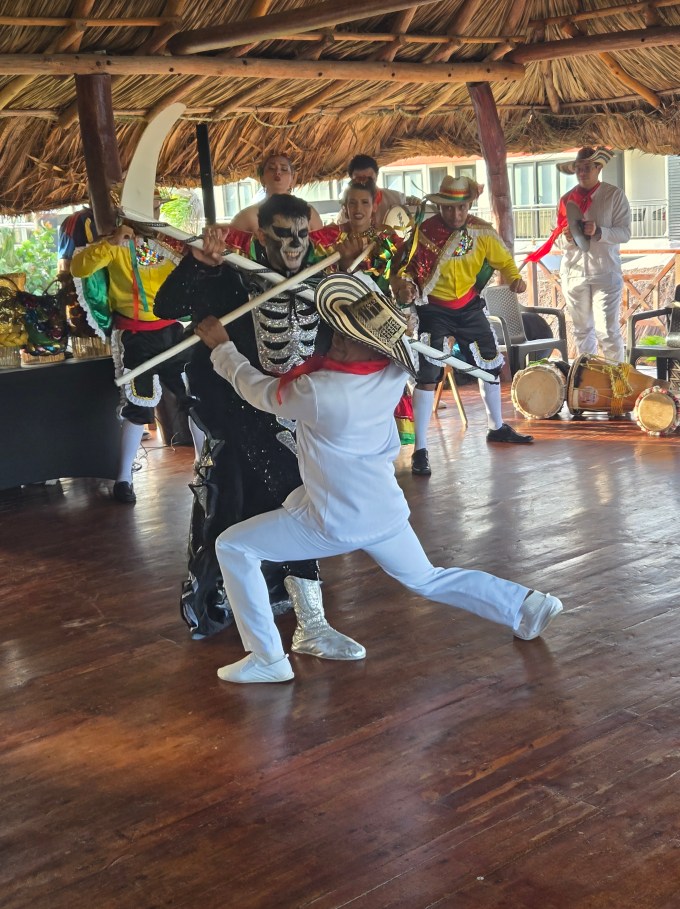
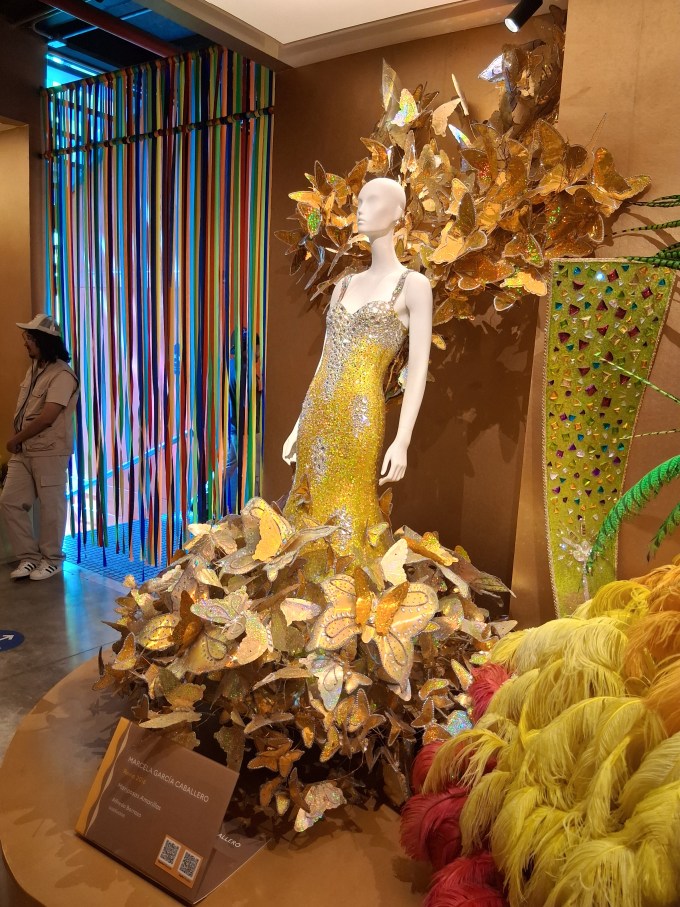
After embarkation and a Carnaval-like performance, our first cruise day stayed in the city, and the local tour was very engaging. The star is the Carnaval Museum, which is terrific, with large displays of the stunning costumes of Carnaval queens; an honor display of the queens and their tiaras; memorabilia associated with the event; and ten video stations of Carnaval around the world from New Orleans to Cochin, India.
The Gran Malecon is a 3-mile-long parkland along the river with many places to play and eat. Two sculptures of Barranquilla’s most famous and prized citizens can be found there, Shakira and Sofia Vergara! A third honored daughter is Paulina Vega, 2014 Miss Universe and the Godmother to the AmaMagdalena. Also noted with somewhat more dignity is Nobel Prize for Literature winner Gabriel Garcia Marquez (100 Years of Solitude and Love in the Time of Cholera) who spent formative years here as a child and later as an adult establishing his journalistic and literary credentials.
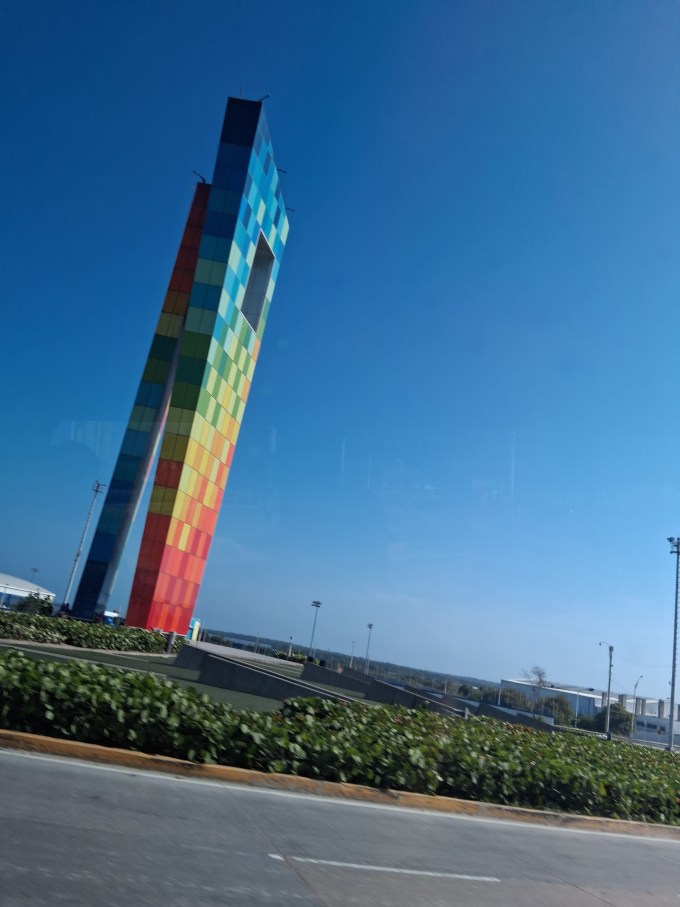
Other highlights include the historic Hotel El Prado, which holds a number of significant firsts as the first Latin American tourist hotel and the first in Colombia with private baths and in-room telephones. Adjacent is the Barrio El Prado, a preserved Art Deco era community with an abundance of mansions from the era including some with fanciful architecture such as Moorish. Two monuments were sponsored by Technoglass owner Christian Daes, the most important of which is the modernistic Ventana al Mundo (Window on the World) from 2018 which is comprised of two linked arches of large glass panels in many bright colors.
Cruising the Rio Magdalena
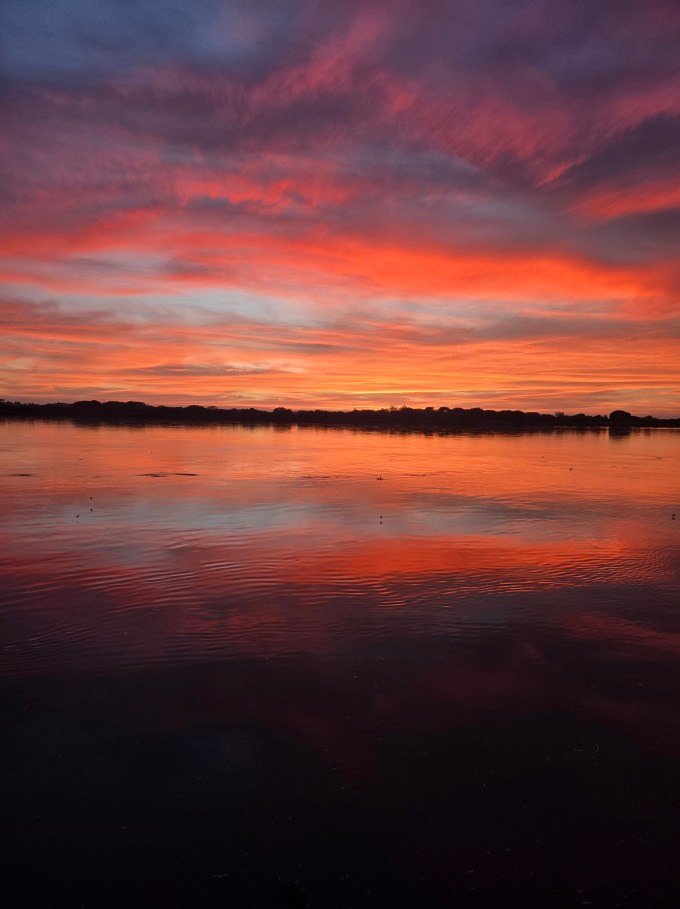
Though the river runs 1,000 miles from the southwest of the country, this itinerary is in the northeast sector. The surrounding land is mostly flat, and banks are mostly lush having considerable agriculture of bananas, palms, and root starches as well as cattle. In these reaches, the Magdalena is typically around a quarter of a mile wide, but it is subject to low water conditions. On our cruise, the section closest to Mompox was deemed too shallow for the cruise ship, so speedboat launches were used to deliver passengers to the town – one hour and a quarter each way. A different wetlands than scheduled was visited, but it was convenient by speedboats and perfectly suitable.
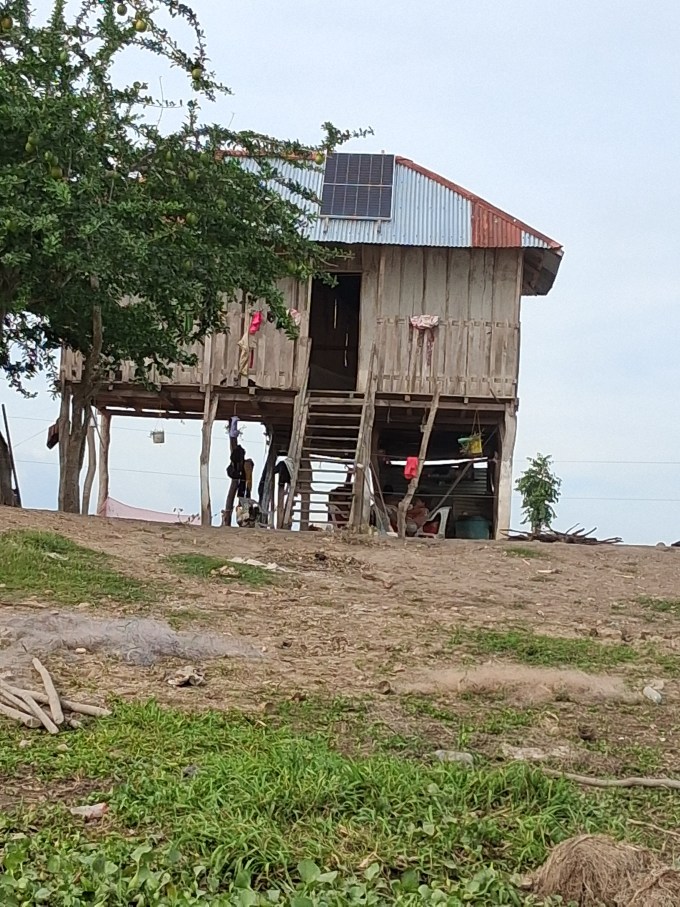
The 80 miles closest to Cartagena is actually on the narrow Canal del Dique, rebuilt by the Spanish in its current form in the mid-17th century to provide easier access to the Magdalena.
Fishing is a major industry and bird life is profuse, so birdwatching is a recurring event on the cruise with formal nature sessions along with incidental observation at any time. Of the 8,000 species of birds on the planet, over a quarter are in Colombia, many of them indigenous to the country. Some are variants of species common the United States like egrets (they are so frequent, it’s hard to imagine you would see more anywhere else), cormorants, and kingfisher, while others are more exotic like wattled jacana, brown throated parakeet, and smooth billed ani.
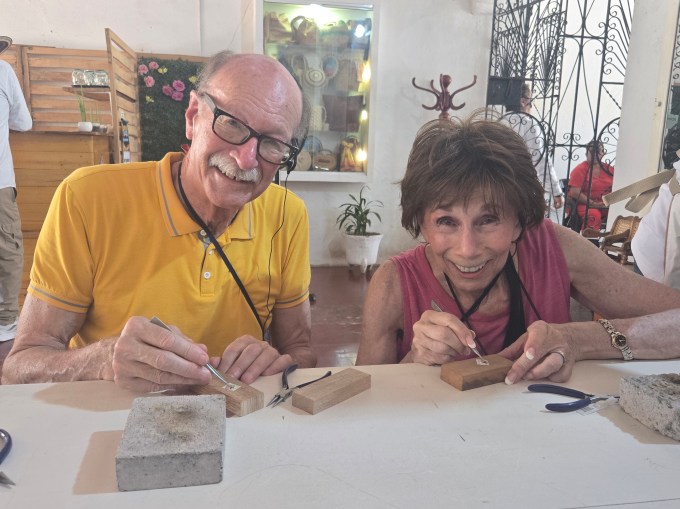
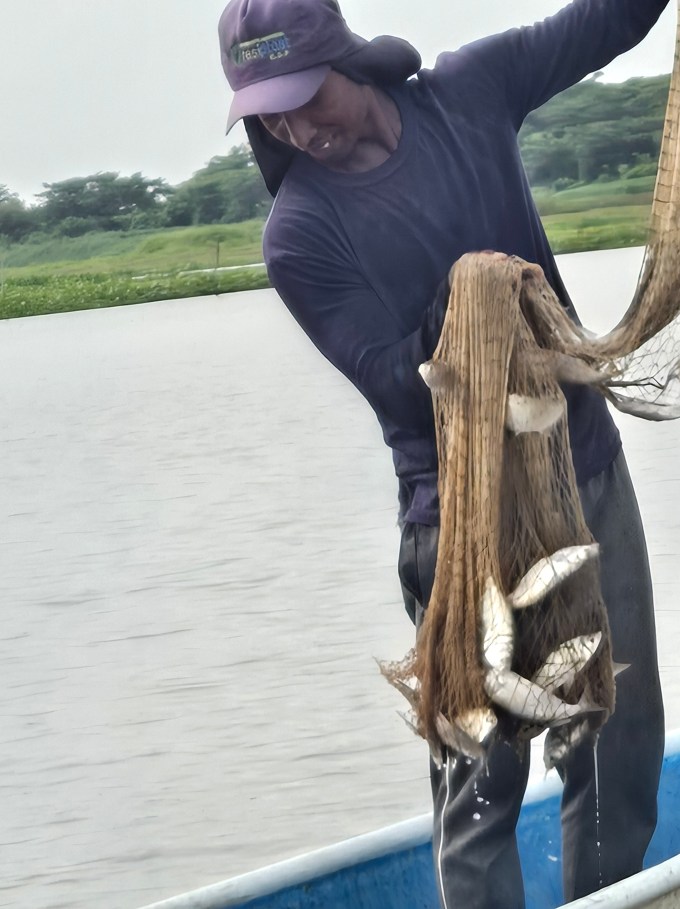
This is a region in which going on an organized tour is mandatory, as the events of interest are not obvious and most are only available to prearranged groups. And as compensation for the limits of sightseeing at the destinations, a number of activities arranged by AMA invigorate the experience. Probably the most involving participation was participating in the artisan process of making silver filigree, which proved to require great focus and patience. We rolled cigars, threw fishing nets, danced the cumbia with professionals, and more. Among viewings, we also observed fishing and much other folk and Latin dancing and music with a particular emphasis on percussion.
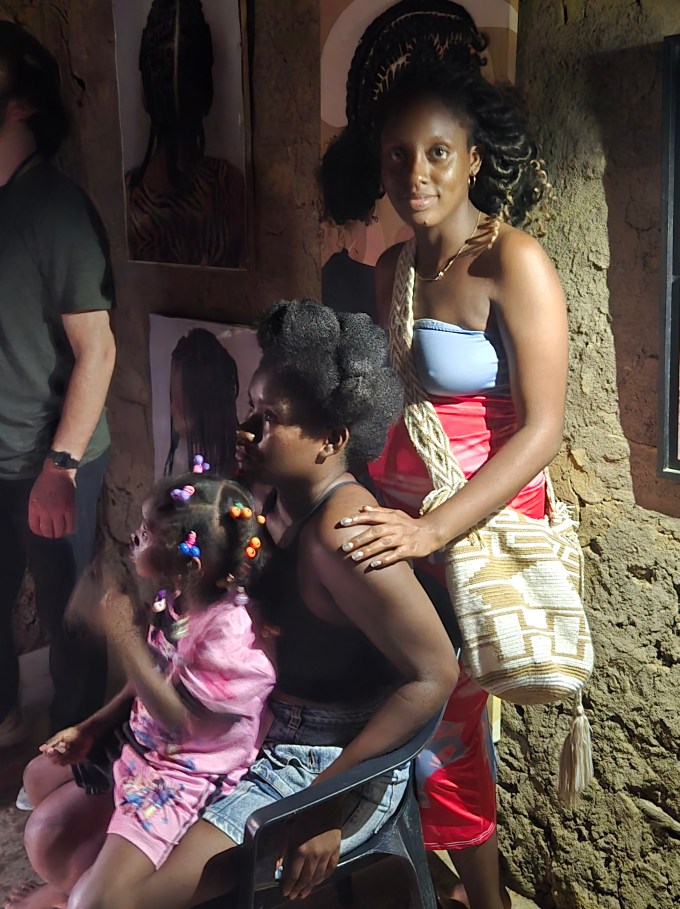
Two towns are of note. First is Palenque which has the historical significance of being the first town in the Americas founded by escaped (African) slaves, in 1603, before the first English forays into what would become the United States. It is still an all-black town with African accents in its dress and artifacts. Together, these characteristics have led to a UNESCO global heritage designation.
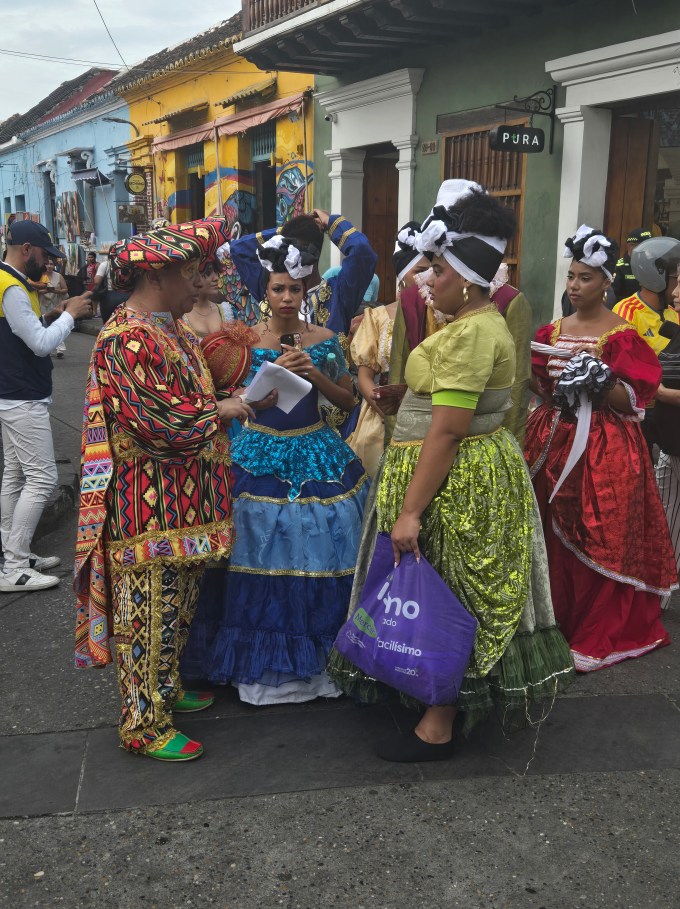
An interesting stop, it offered learning about the local dialect, which adds Bantu vocabulary to Spanish. We also visited a doctor of local holistic medicine, a hair braiding salon, a historic home, and the police station. Although Palenque rests in a heat zone, we fortuitously had a cooling downpour of rain that included hail. The Palenque skirt, a circle skirt in yellow, red, and blue, the colors of the Colombian flag, is lifted to sashay in dancing and is popular elsewhere, particularly in Cartagena.
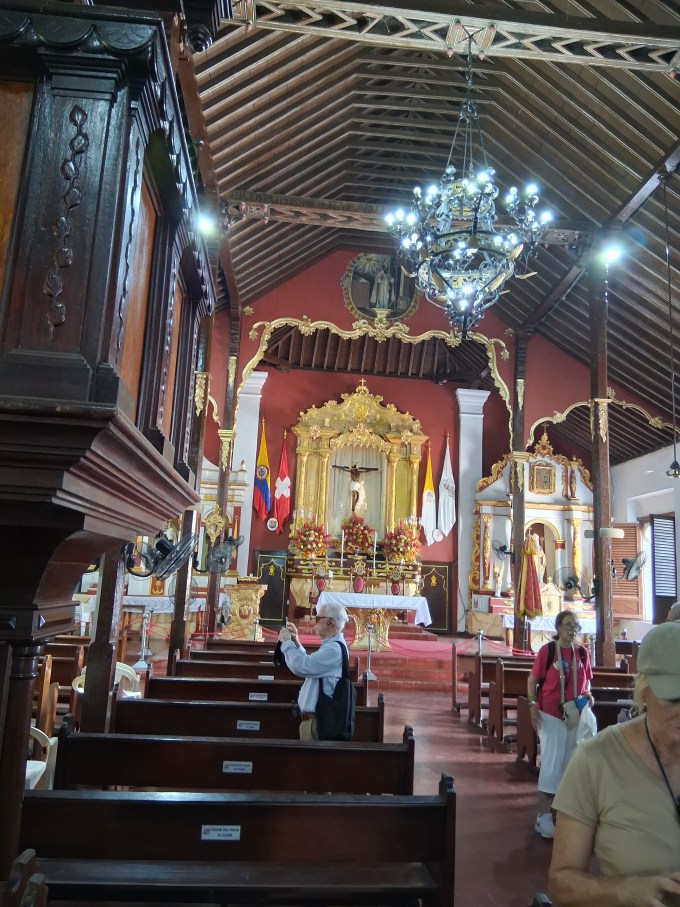
As a charming town with colonial character and several nice churches, including one dating to 1603, Mompox is actually on an island in the river and the only noteworthy strollable stop on the trip other than Cartagena. It has a variety of restaurants, shopping for local products that exceed offerings elsewhere, and the largest wetlands in the country nearby. Otherwise, the towns along the Magdalena are pretty interchangeable.
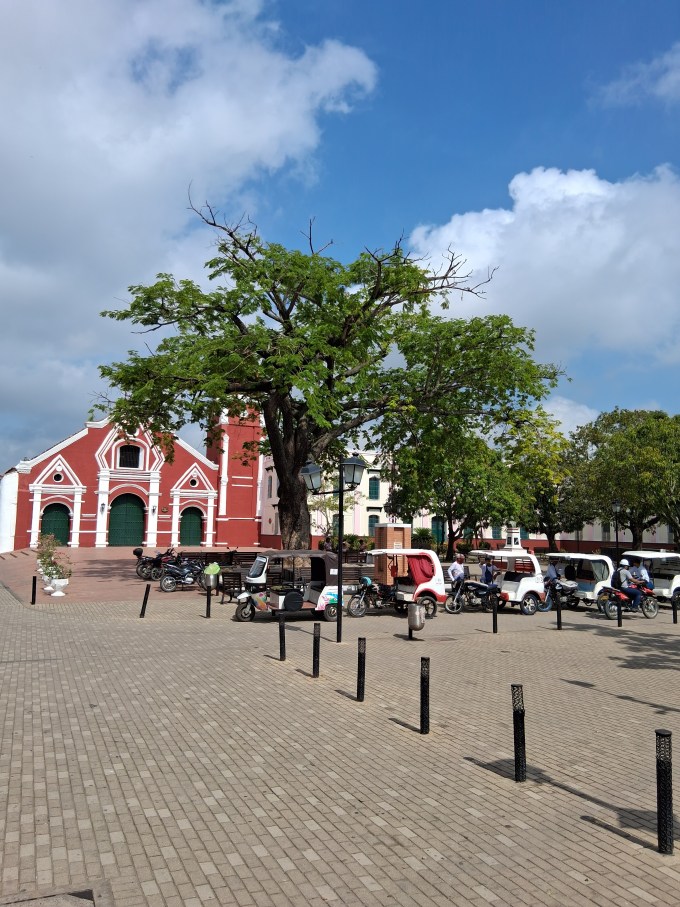
AMA-arranged transportation for excursions was always prompt, efficient, and appropriate. In addition to the speedboats on water, we moved around by Mercedes minibus, tuk-tuks, pedicabs, and by foot.
Cartagena
It doesn’t take long to realize why this is the largest tourist destination in Colombia and a very popular stop on ocean cruises. A Caribbean coastal city, it is the Miami of Colombia with a whitewashed look of apartment high-rises in beach areas. But its charm comes first from the old walled city, which is beautiful, formal, well preserved, and neatly kept as should be expected of a UNESCO global heritage site. Attractive colonial architecture from the 17th and 18th centuries exists throughout along with historic churches, small museums, and even the remains of Gabriel Garcia Marquez.
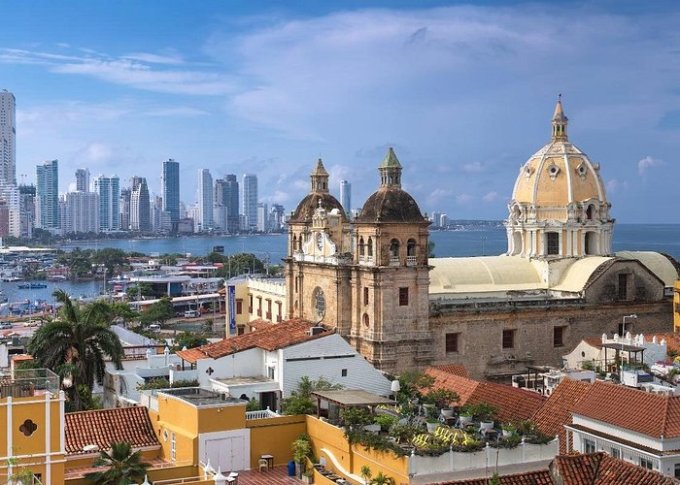
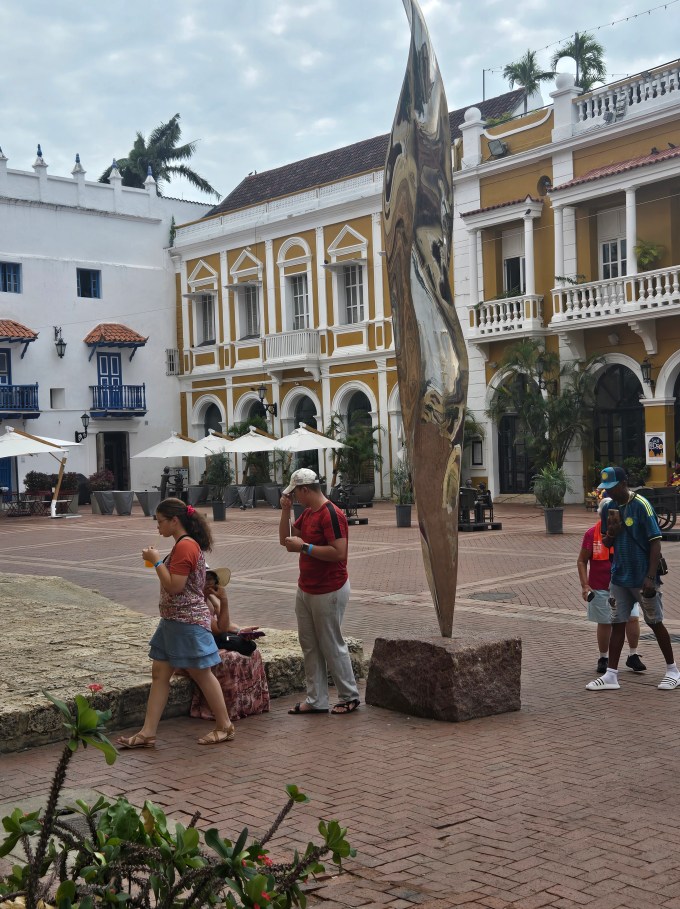
Apart from the obvious wall, the signal that you are there is the endless array of vendors selling souvenirs, drinks, and fruit. Motor traffic is limited within, but electrified hansom cabs offer a fun alternative way to get around. Quality boutiques, coffee shops, and restaurants abound, and what little evidence of multinational intrusion, like Hard Rock Cafe, is very discretely marked. Despite heat that can be brutal, tourists and locals generally maintain sunny dispositions.
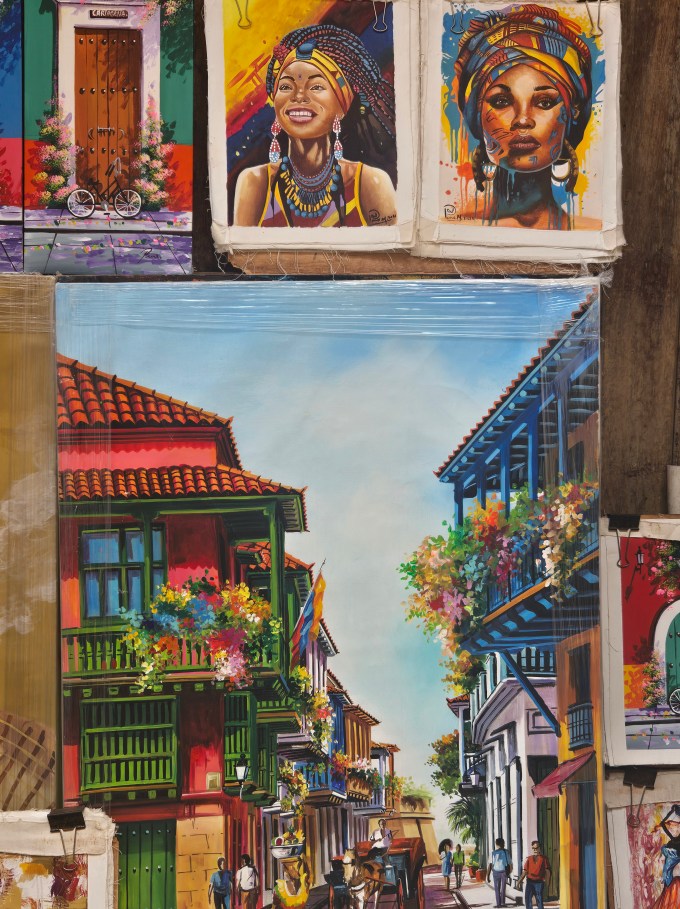
The other appealing tourist neighborhood is the adjacent Getsemani, which was a major source of revolution in the 1830s. More chaotic and spontaneous than Old Town, it also displays period architecture, but streets are narrower, buildings smaller and bursting with gay colors. Banners, flags, and other decorations add to the kaleidoscopic appearance. Street life is lively with many bars and cafes.
The most iconic single destination is San Felipe Castle. The fortress was built to guard the city from pirates and other invaders, and it offers a panoramic view of Cartagena.
Conclusion
Most Caribbean travelers will find Cartagena to be a distinctive and memorable cruise destination. The remainder of the itinerary on this river cruise targets the more experienced traveler or one with a disposition toward Latin American cultures. Those with appropriate expectations will find much to appreciate from AmaWaterways’ unique cruise.

