Note
For selective readers, this commentary is divided into independent sections – a primer on Crossings, the Japanese ports called on in northeastern Japan, Tokyo as a destination, the six-sea-days crossing, Alaska visits, and Vancouver.
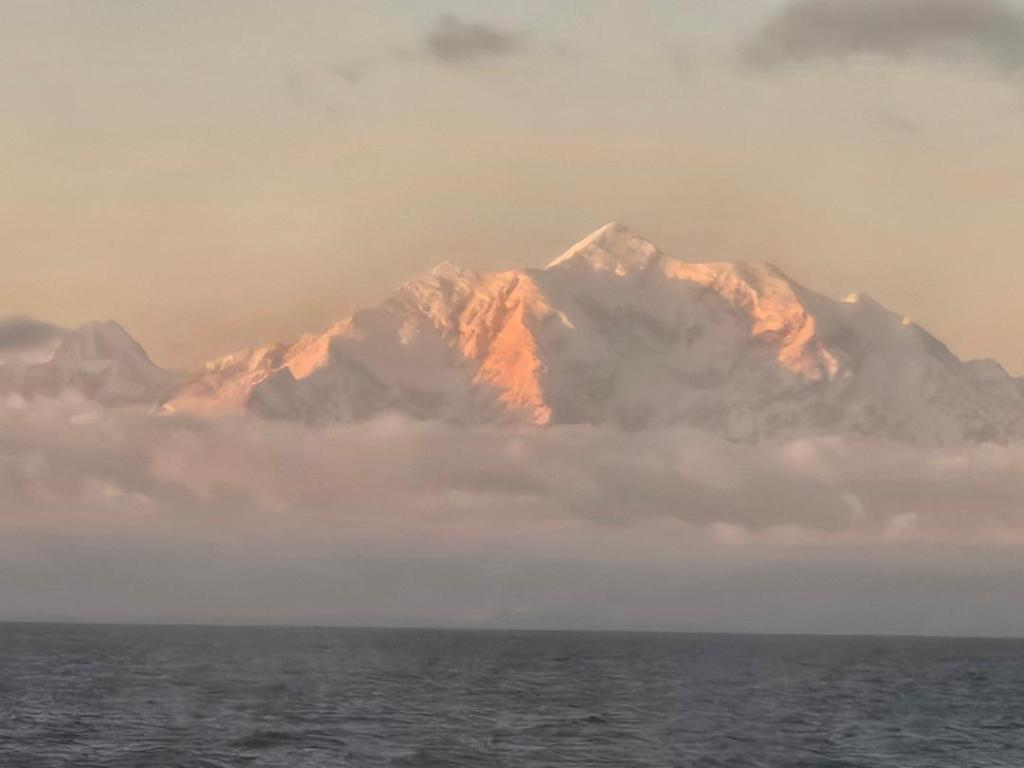
A Primer on Crossings
Initially, transoceanic voyages were functional and point to point. Early on, passengers sailed to immigrate. Then, before air transport was an option, business trips and extended overseas vacations motivated these journeys. Now, more transoceanic crossings are repositioning, seasonally moving a cruise fleet from one region to another, most commonly between the two most popular cruise domains, the Caribbean and the Med. But other repositionings occur, including the Northern Pacific from Asia to North America in the spring and the reverse in the fall. Crossings are among the most attractively priced cruises, because they have few ports relative to the number of sailing days, which means fewer port fees and other costs to the cruise line. Because passengers usually seek destinations, crossings attract less demand.
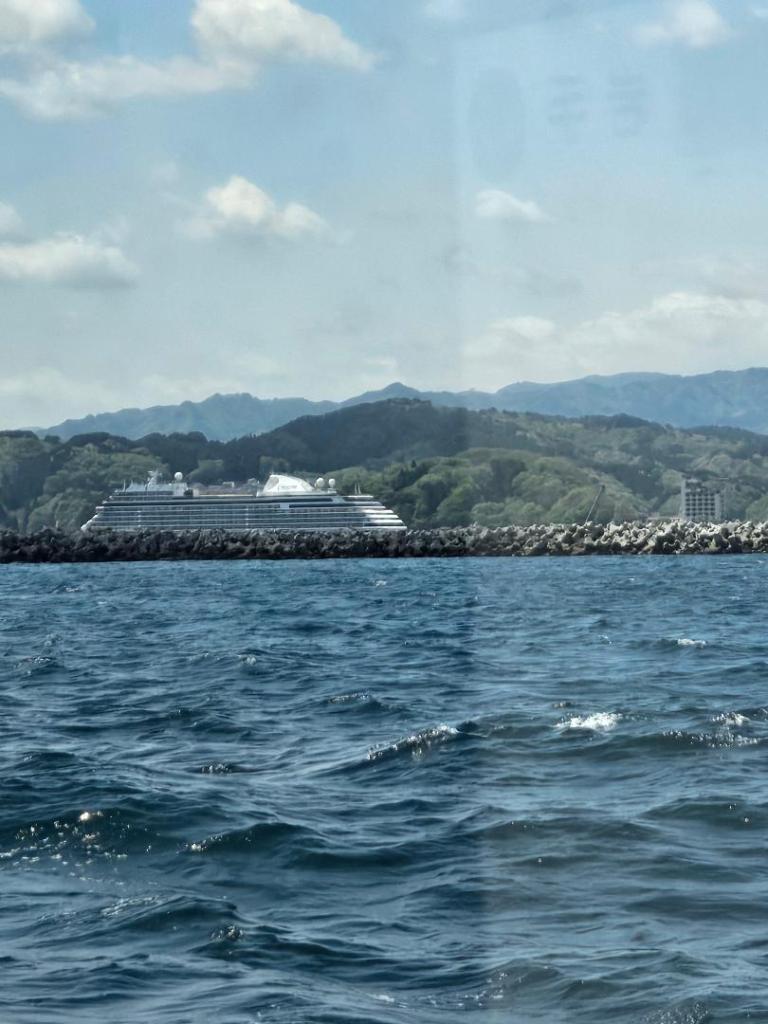
This spring, among the offerings departing from Tokyo was a very affordable super-luxury crossing on Silversea and an even cheaper one on luxury line Azamara, albeit offering much smaller staterooms. We actually have friends who were on super-luxury Seabourn’s crossing, a couple of days ahead of us. But the best option for length and itinerary was super-luxury Regent’s 17-day Tokyo to Vancouver voyage embarking May 3, 2026. Besides having appealing end points, it provided five stops in northeast Japan plus four more spanning sub-Arctic Alaska, from the Aleutians to the Inside Passage, that make it almost like a full two region cruise.
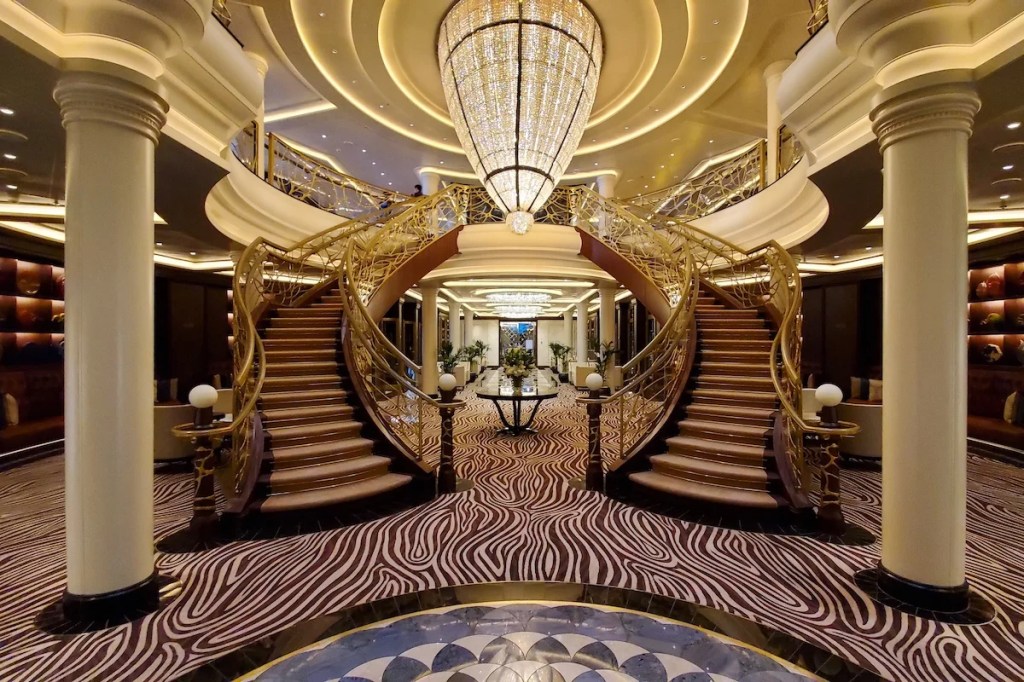
We opted for Regent because it is top drawer – all-inclusive with basic excursions, specialty restaurants, wi-fi, alcoholic beverages throughout the day, laundry, and dry cleaning included. We had a wonderful experience. Our ship, the Regent Explorer, is in what I call the 700 class, and if you’ve cruised, you will appreciate the ease of getting around a ship that size yet having the facilities that adults desire. However, if you’re looking for Las Vegas styled shows, zip lines, rock walls, pool slides, or activities for kids, go for the larger ships, what my wife Karin calls the Obesities of the Seas. They are more accessible financially, a fraction of the cost of the best lines, but many add-ons are at additional cost. Importantly, when you hit a port with 700 passengers rather than 3,000 to 5,000, the logistics are immeasurably cleaner, and you don’t overwhelm the destination, many of which larger, mass market ships can’t even access.
The Departure – Japan
Our departure point was Tokyo International Cruise Terminal in the Tokyo Bay area which looks more like Miami than the bulk of Tokyo. With 14 million people in the city proper, Tokyo will be discussed after the cruise destinations in Japan. The five Regent stops in Japan span the northeast of the country. Three are on Honshu, the major island, and they are Hitachinaka, Miyako, and Aomori. Two are on Hokkaido, the sparsely populated northern island, and they are Hakodate and Kushiro.
None of these individually are compelling like the great tourist destinations of Tokyo, Kyoto, and Hiroshima. But collectively, they offer a different look at Japan – of life in small cities and towns away from the bustle and notoriety of the magnets, although much of what you see depends on the particular excursions you select. The good news is that with five ports, each offering a number of excursions, you can select your own palette.
Overall, the character of the northeast is driven by its relationship with the sea, and fine seafood is a calling card throughout the region. One option that will appear in all of these destinations is going to a fish market. While there are differences among them, visiting one or two is probably enough.
Japan is 70% mountainous and heavily forested, so most of the countryside is quite beautiful. In much of this region, mountains come to the sea with striking outcrops along the shorelines. The less common flats accommodate towns and agriculture, mostly rice paddies. Hot springs are common throughout the country, and onsens, or public baths, are available throughout these locations. Going to one is both an inexpensive physical pleasure and participation in the local culture, which is quite different from American practice. Among artisan activities, pottery is probably the most prevalent, and there are opportunities to visit pottery making centers.
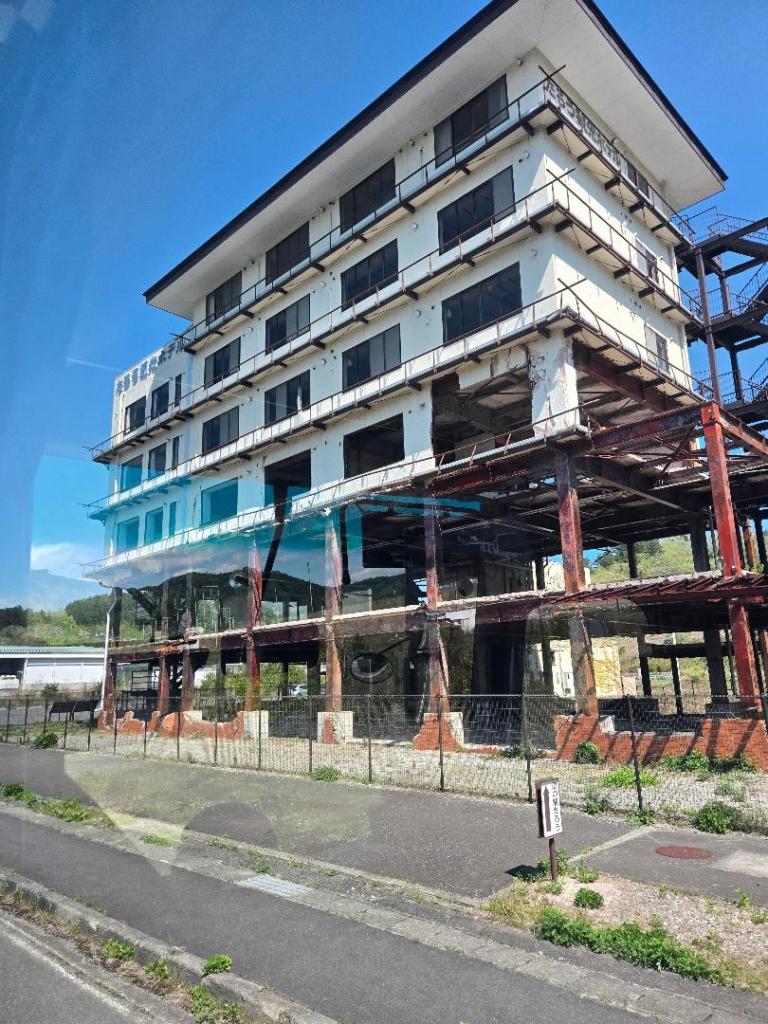
The eastern coast of Honshu is also home to major earthquake belts. March 11, 2011 experienced a 9.0 earthquake resulting in a tsunami with 50 foot waves, the cause of the Fukushima nuclear disaster. That event will always loom large in the region’s psyche and planning. Miyako’s mayor had previously insisted on investing in a vast tsunami protection wall that was considered his folly until it proved itself during the disaster.
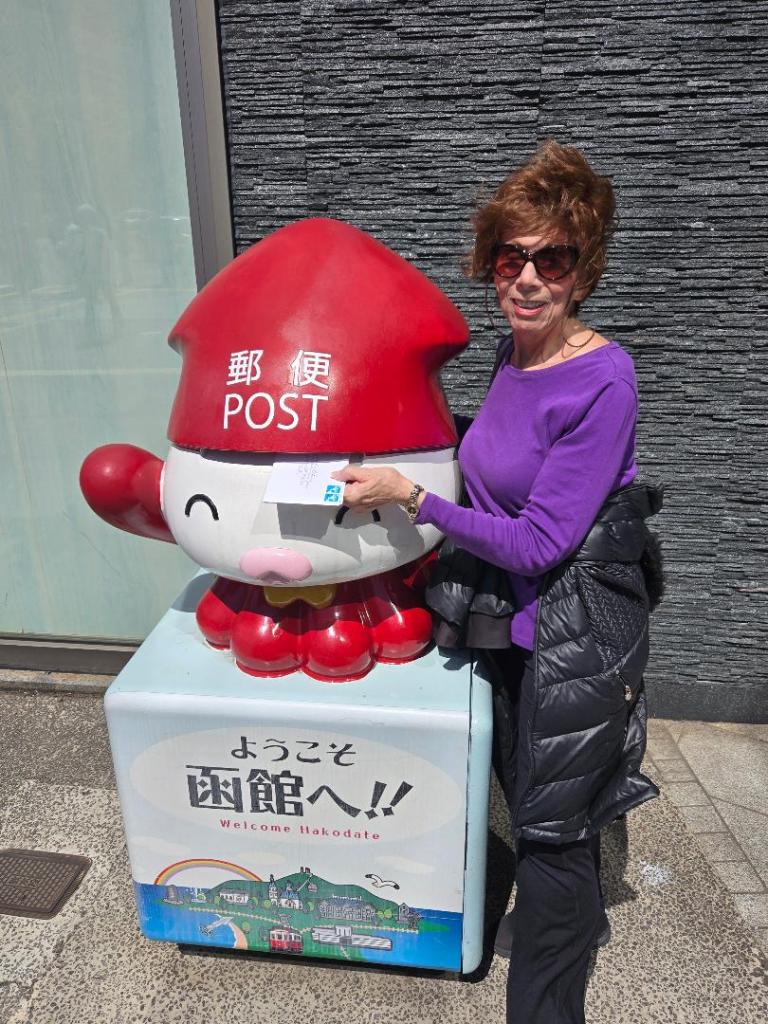
The general social character of the people is similar to all Japanese – homogeneous, orderly, proper, and constant. While a majority practice a blend of Shinto and Buddhism, this is to conform with social ideals rather than support religious principles, and only 3% of Japanese believe in God. One curiosity is the fascination with animation, as suggested by the popularity of anime and manga in print and screen. And popular figures such as Hello Kitty, Satoru Gojo, and even the historic Godzilla are ubiquitous. And if you think they are limited to the likes of back packs and key rings, you’ll see them even in postal boxes.
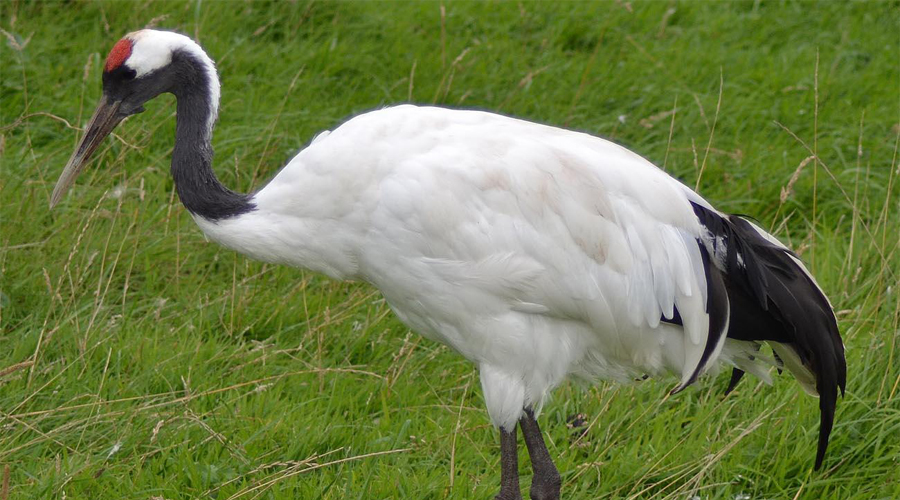
Of our five stops, three of the port cities themselves are modest – Hitachinaka, Miyako, and Kushiro, and in fact many of the excursion activities are some distance from the towns. Hitachinaka serves mostly as a launch point for the more interesting Kasama, which does offer a shrine of some note. Miyako is a mostly scenic stop, famous for Jodogahama beach and Ryusendo caves. Kushiro is home to a nondescript wetlands, which however was the vital home to the believed extinct red-crested crane, a national treasure. There is a nearby reserve that maintains a dozen or so of these large and beautiful birds that have been saved from oblivion. The town is also a launch point to the center of the island and the small remaining indigenous Ainu people.
The most unique stop is Hakodate, the southernmost Hokkaido city, which should have benefited most from the 30-mile-long bullet train tunnel under the Tsugaru Strait that separates the northernmost Japanese island from Honshu. However, because of brutal winter weather and the call of larger cities with greater opportunity, the population has actually slid several percent to 125,000.
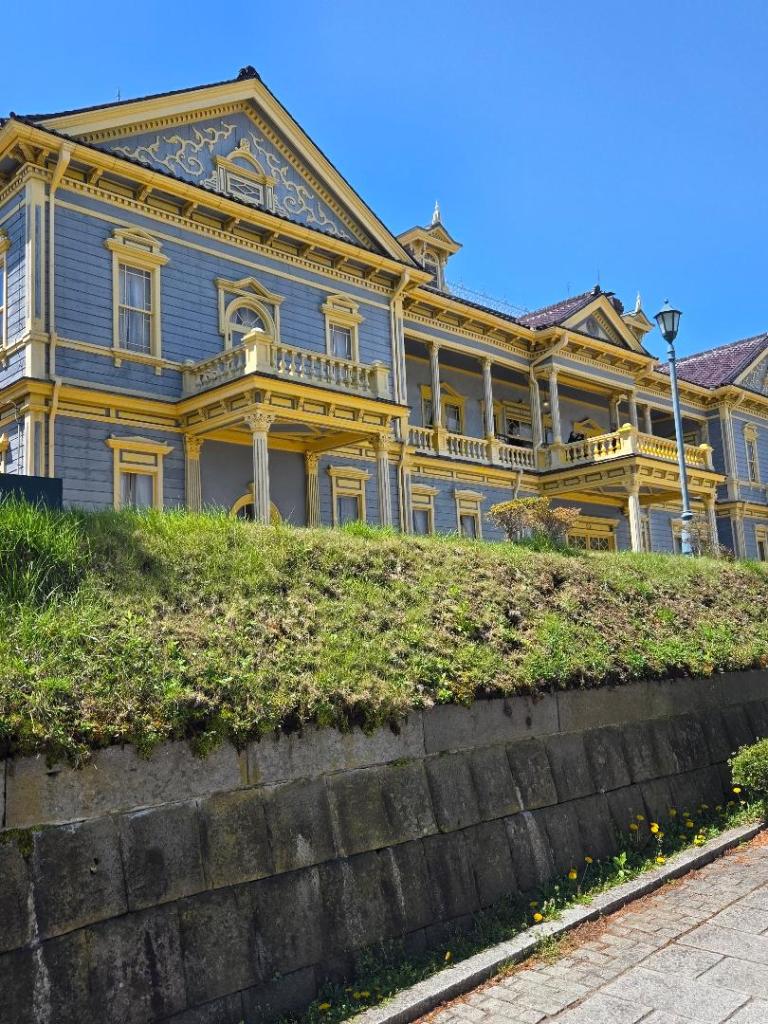
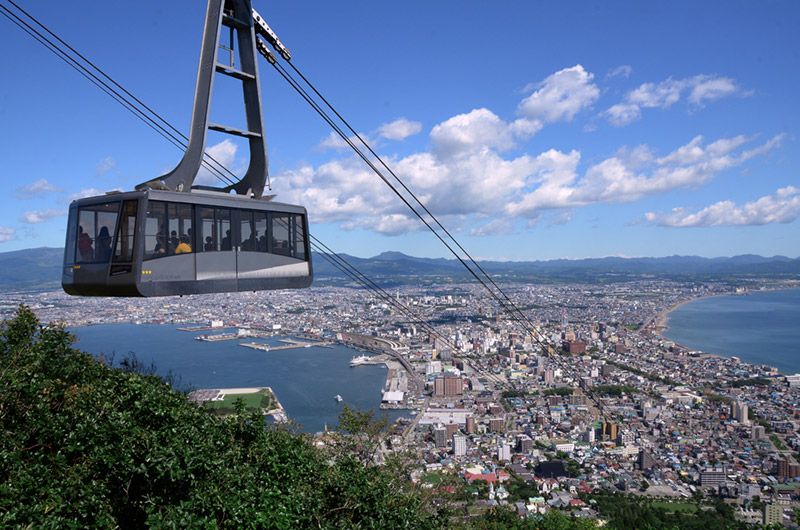
Notwithstanding, Hakodate is an appealing smaller city for tourism. The morning market, comprised of a main building and a number of individual fish and souvenir shops, is only a couple of blocks from the pier. Motomachi, a very distinctive section of town, derives from its being among the very first ports open to the west as a result of U.S. Commodore Perry’s demands in 1854. Its 19th century remains include consulates, Russian and British churches, houses and other buildings both in pure European style as well as a unique Japanese style first floor and European second floor. The reason was that the area is on a hill, and the second floors could be seen from the harbor, indicating how cosmopolitan the city was. There is also a “ropeway” or cable car with a single gondola that leads to a hill with commanding views of the city.
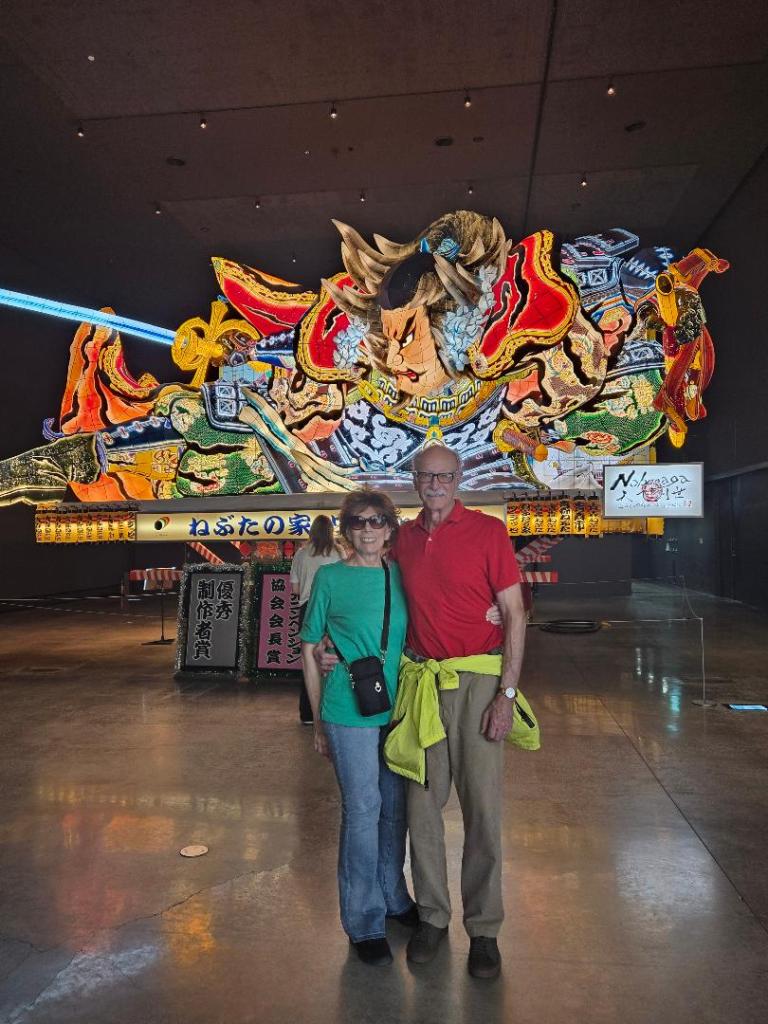
To my thinking, the second interesting city on the itinerary is Aomori, the northernmost city on Honshu and across the strait from Hakodate. Not only is it home to the Fuji apple, but 60% of the apples grown in the country are from this region. A triangular A-shaped building, the Aomori Prefecture Tourist and Product Center; a maritime museum; and the A-Factory, a largely-apple-related products building are a short walk from the pier. So is Neputa Museum, which is dedicated to parade floats with heroic scenes in animated form, made from painted rice paper and lit internally. The three best floats from the most recent annual festival are on display, and visitors get to bang drums and cymbals in the fashion of the music in the parade. Like Hakadote, Aomori also has a cable car to a mountain vista.
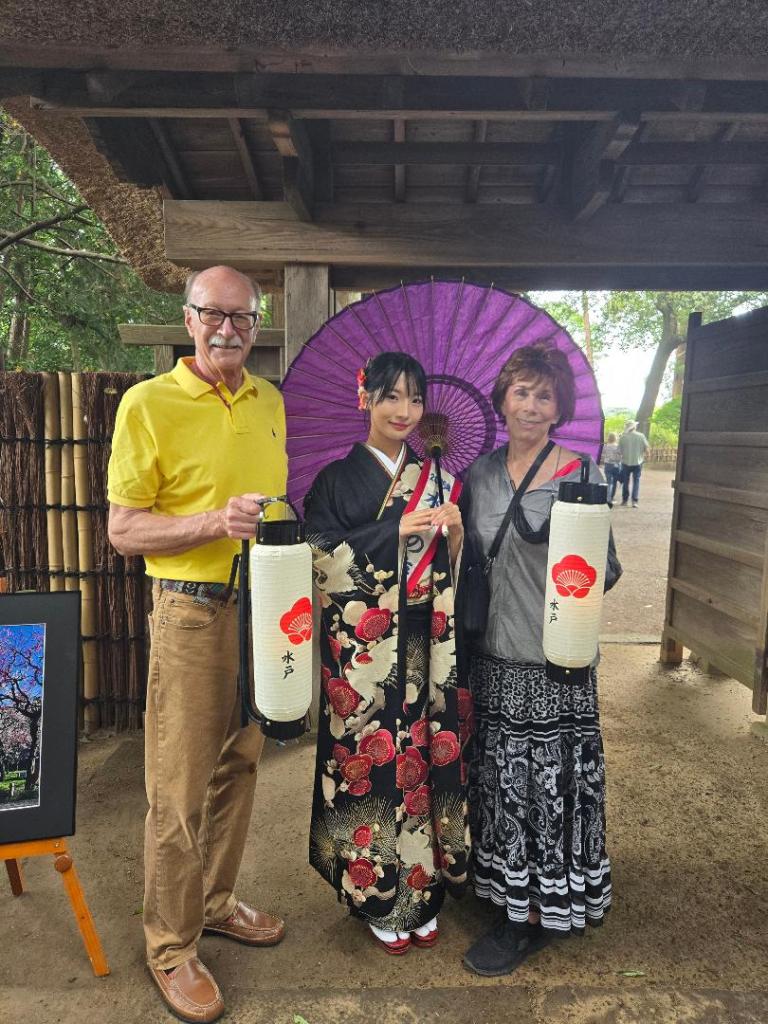
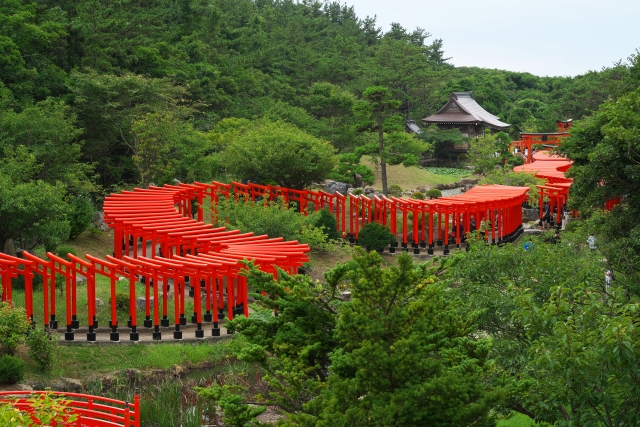
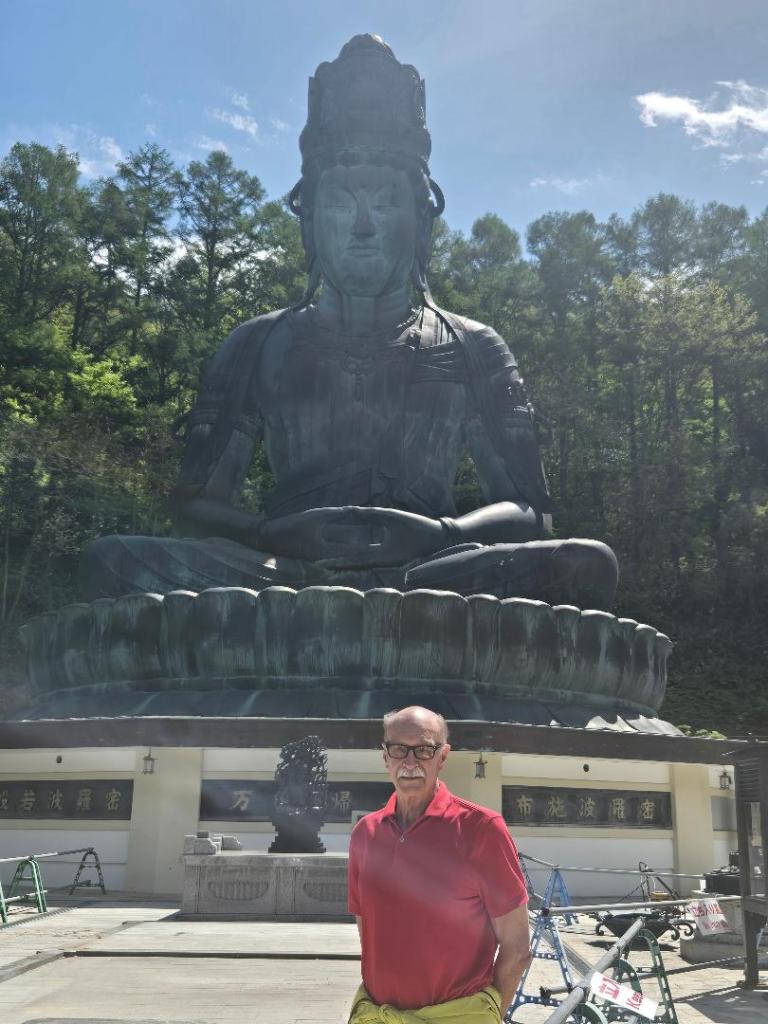
The other powerful major attractions are outside the city. Takayama Inari Shrine is a Shinto facility with an astounding 1,000 red torii, or gates, that wind through the countryside and can be walked through. The other notable site is Seiryu-ji, a Buddhist temple, also in the restful and beautiful countryside. Built under the sponsorship of one wealthy individual, Ryukou Oda starting in the 1980s, it consists of several traditional shrine structures spread over the park. But the highlight at the height of 70 feet is the tallest seated Buddha in Japan.
Tokyo as a Prime Tourist Destination and Another Comment on Japanese Behavior
I don’t intend to write a travelog on what to see and do in Tokyo. Rather, I will speak to those who hesitate to visit this great destination perhaps because it seems like it would be too difficult to navigate because of written and spoken language; because it seems to be so large as to be unruly; or that it seems too different. My response is “You can do this.” What’s more, you should, and following is some support for the argument.
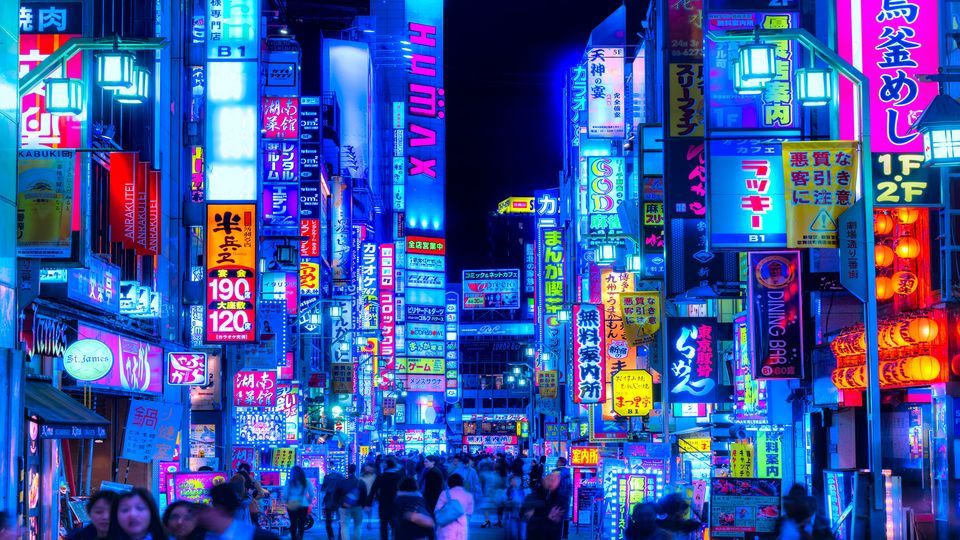
It shouldn’t be hard to convince readers that Tokyo is a world class destination. Like most of the great cities of the world, there are many different focuses that a tourist can have. It is rich with monuments to history, religion, and culture; museums of all ilks; cuisine both local and foreign, from peasant to fine (as validated by having more Michelin-starred restaurants than any city in the world); performances reflecting Japanese traditional culture including noh and kabuki theater, sumo wrestling, and baseball(!); retailers with lighting that creates a garish kaleidoscope of color at night; and more. While Tokyo is not a beautiful city like the elegant Paris or the classic Rome, it possesses buildings with clean lines on exceptionally clean streets and does have an abundance of appealing modern architectural highlights.
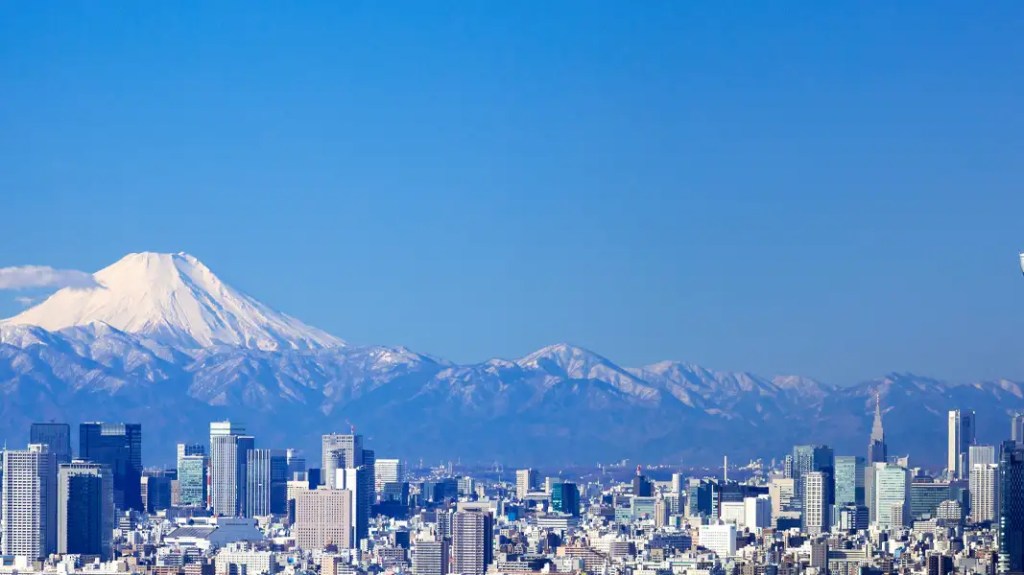
Many people fear that access to all the city has to offer will be very difficult. Here are some factors that make it easy, starting with a great number of information booths. Public transport takes you anywhere you want to go and is well marked in English. The subway even goes into the international terminal right outside of the baggage carousels at Haneda Airport, and you can swipe your credit card to pay and take the train into the heart of the city. It couldn’t be cheaper and easier.
Food is the other most important area where you want to understand what you’re doing. Most eating spots have pictures of their meals with prices outside and English language menus. Whatever mistakes you will make in organizing food will be minimal. A surprising anomaly is that despite high cost of living here, there are accessible, inexpensive restaurants everywhere as Japanese seem to eat out frequently without relying on fast food chains.
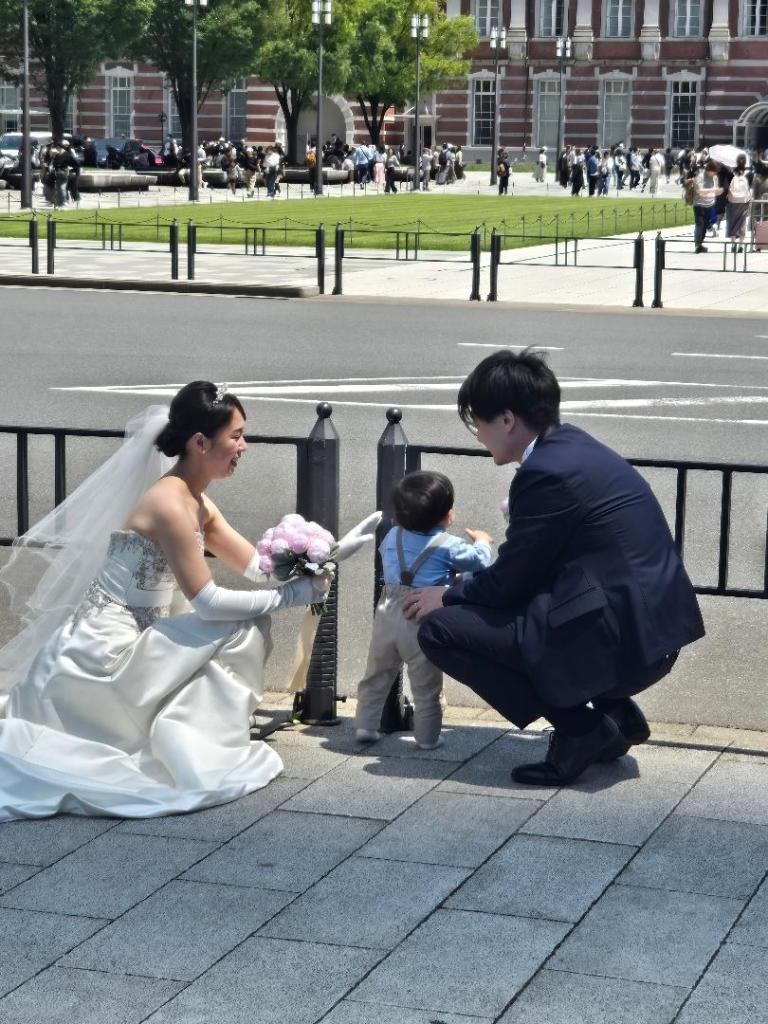
Other facilitators – the use of English in signage extends to just about everything remotely touristy, and English is widely understood if not always well spoken. Another past impediment is that Tokyo, which was slow to adopt credit cards, now uses electronic payment mechanisms routinely. Finally, Japanese people are uncommonly helpful when asked. When we were looking for an elevator in a train station as we had our luggage with us, not only did a man show us to the elevator, but he insisted on leading us to our hotel, which was over ¼ of a mile walk. When Karin fell along with carry-ons on an escalator, two men were very helpful in getting her righted.
One particular I will mention was our hotel, the Mercure, which is well-located in Hibiya/Shinbashi, close to the Ginza and walkable to Tokyo Station and the Imperial Palace. Its amenities are excellent, including pajamas that are changed nightly if you use them, and a free, but limited, non-alcoholic mini-bar. Similar to other better Accor brands, like Sofitels and Pullmans we have stayed in, it has a lounge that is stocked with complimentary beverages, alcoholic included, and snacks.
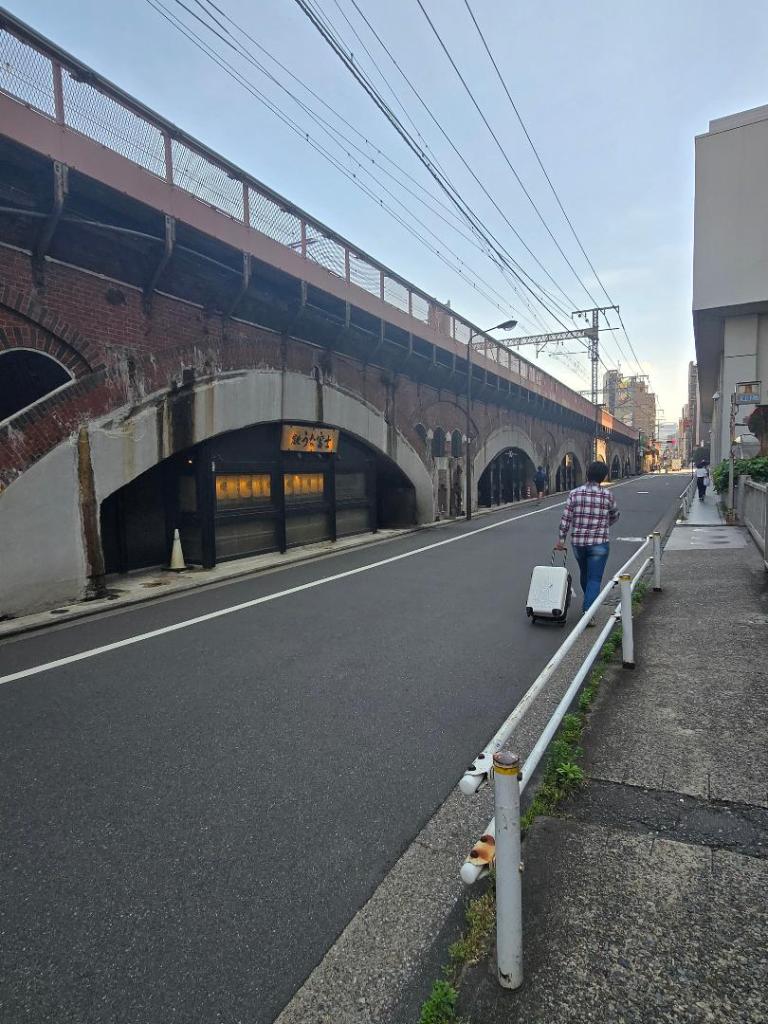
Across the street, elevated train lines run above a brick support structure with frequent archways that originally allowed movement of people and traffic under the tracks throughout the length of the elevation. That structure has been enclosed except allowing for strategic thoroughfares. Arches on the side across from the hotel have been converted to entrances of a multitude of restaurants underneath the rails. So the options for eating, especially in this area, are unbelievable and particularly popular with young people.
A brief comment on Japanese society. They say that “Clothes make the man,” and if dress influences behavior, note that we saw virtually no women wearing kimonos, with its associated demure behavior like obsequious bowing or frequent covering laughter with the hand. Not only was it Spring season, but it was Golden Week, the biggest vacation week of the year. Yet, overwhelmingly, the view of the sunny and warm walkways was a sea of people wearing informal clothes of muted solid colors from black to tan, suggesting that not wanting to stick out is still in practice.
Time, Motion, and Six Days Without Land
We’ve been on a number of cruises that have canceled stops because of dangerous conditions. Fortunately, Regent Explorer is of recent enough vintage with stabilizers that control the rock and roll, so that even with the frequent gale force winds, you could feel the buffeting, but it didn’t cause motion sickness except in the most sensitive. We were able to make all of our destinations, but because of heavy seas on the customary route, we charted a more northerly course on the six sea days between Japan and Alaska.
Most everyone should know of the International Date Line, which runs primarily along the 180th longitude. When crossing it east to west, you lose one hour, as with any time zone change, but gain a day, so that you relive that date – in our case May 11. For those who are susceptible to jet lag (and who isn’t), with this crossing, you travel from Japan to the West Coast of North America with eight days having one-hour time changes, so you never have to deal with the big time change.
We used to avoid itineraries with many sea days but now welcome them on a top-quality cruise line like Regent. With fine cuisine, lectures, entertainment, competitions, many other on-board activities, and the prospect of reading or other quiet time, sea days can offer a welcomed retreat and a greater opportunity to make friends. Duplicate bridge plus lessons for beginners and intermediates also fill the day. And being in a larger stateroom which you get on better cruise lines makes a difference.
Alaska
As an overarching comment about visiting Alaska, overwhelmingly, visitors cruise the coast and go to small towns of fairly narrow tourist interest. However, the time spent in each is a few hours at most, so relatively, they are interesting, each with their own stories to tell. And they are all accessible to the grandeur of nature, breathtaking snow-covered mountains, waterfalls tumbling from rocky crags, and fjords and islands covered with lush green conifers. Few places in the world offer such majesty.
Kodiak
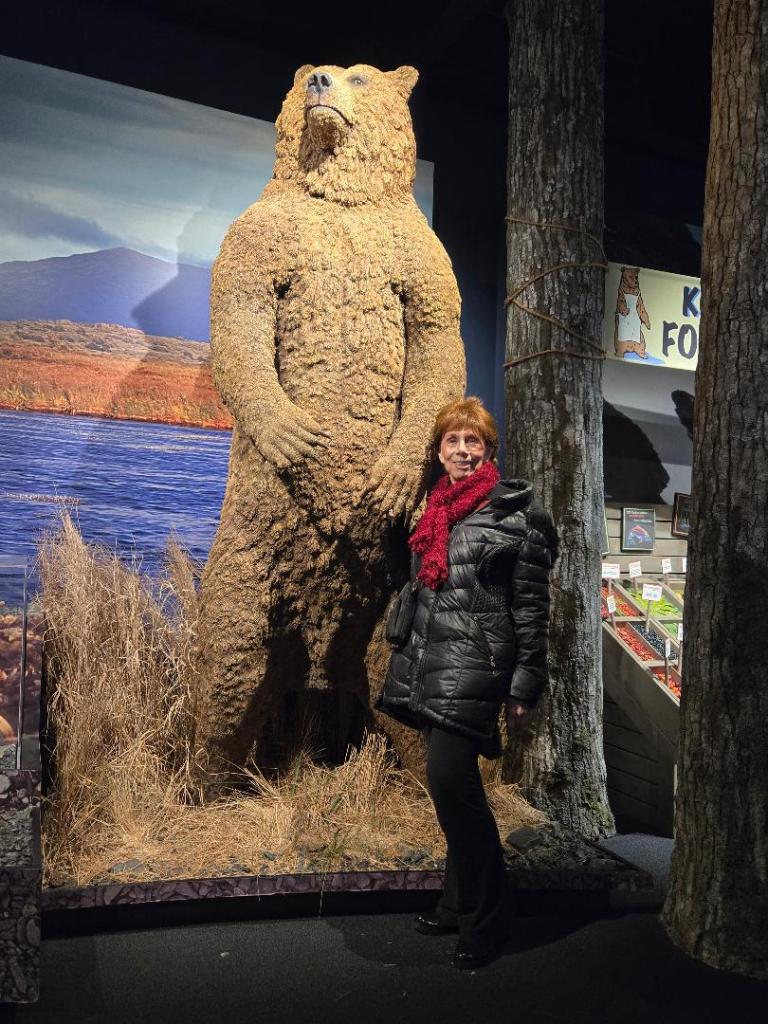
Kodiak is a city/island of 12,000, near the base of the Aleutian Islands. Let’s start by looking at its superlatives. It was the first western settlement in Alaska with the arrival of a Russian community in 1784, and fittingly, the B&B is the oldest tavern in the state. Economically, the city is the second largest fishing port in the country. 1,800 native Aleuts live here out of only 6,000 anywhere, and 1/3 of the population is Filipino, attracted by work in the canneries. The Kodiak bear is the largest of all bears in the world, and all five Alaskan salmon species plus the closely related and also anadromous (living in both sweet and salty water during their lives) steelhead trout thrive here.
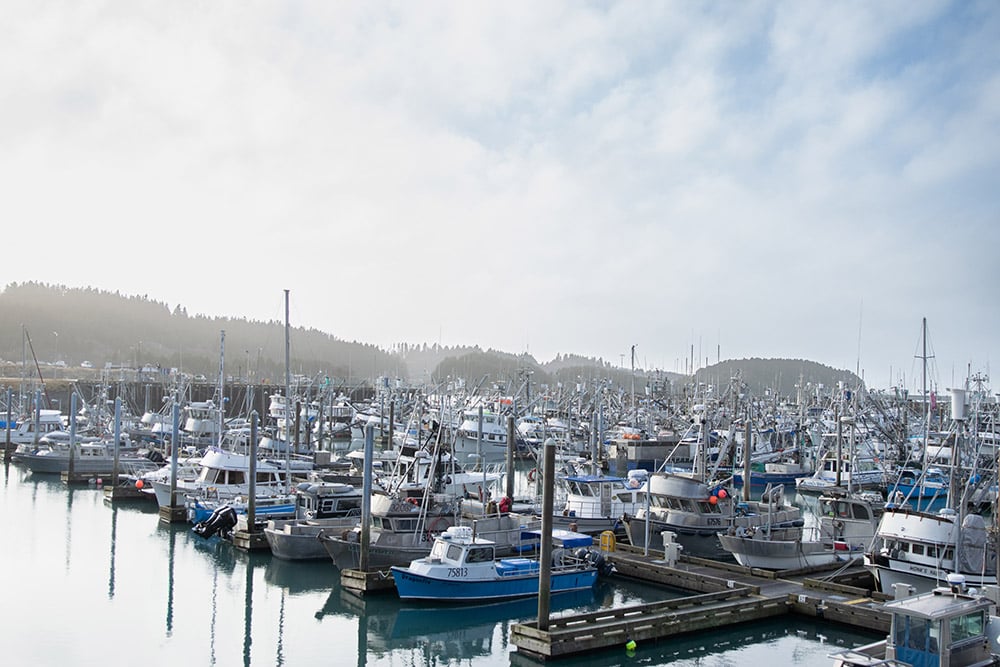
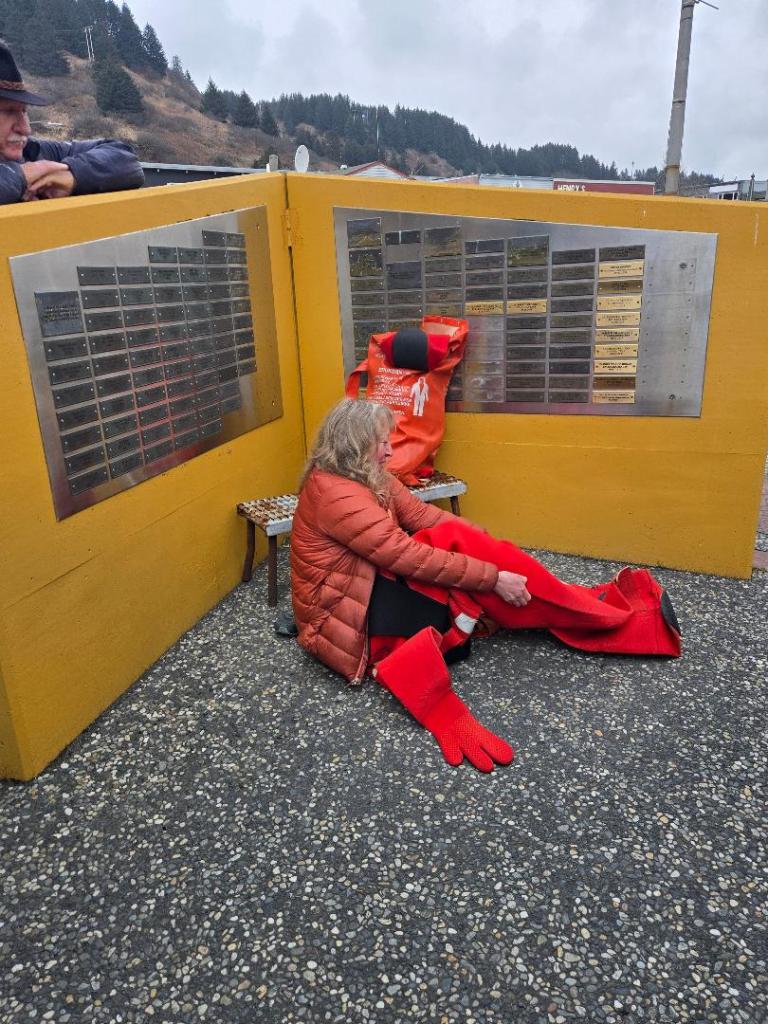
Cold water fishing is the lifeblood of Kodiak, with crabbing being the top of the pyramid. While fishing is a highly dangerous occupation, nothing compares to the horrific risks of laying pots for King Crabs in the Bering Sea. The Fisherman’s Memorial, with over 200 plaques honoring the deceased from the Kodiak fleet, is full of harrowing stories. While the payoff for crabbing crew for a short season can easily reach six figures, it’s boom or bust, and a fisherman can actually be in the red for a failed outing because of paying his share of groceries and fuel.
The highs of good catches with good prices create huge energy and a goldrush atmosphere, while the lows result in doldrums. The current low, when canners offer as low as 5 cents for a salmon, is evident from the almost empty streets, but the locals are very welcoming. Only around 30 ships visit Kodiak per year, and they are all under 1,200 passengers.
The defining moment for Kodiak was the devastating 9.2 earthquake in 1964 that destroyed the town and its economy when it had been on a roll. Visible evidence from earthquake and tsunamis is spare, but like with the Japanese quake of 2011, it lives in the psyches, even of those who were not there.
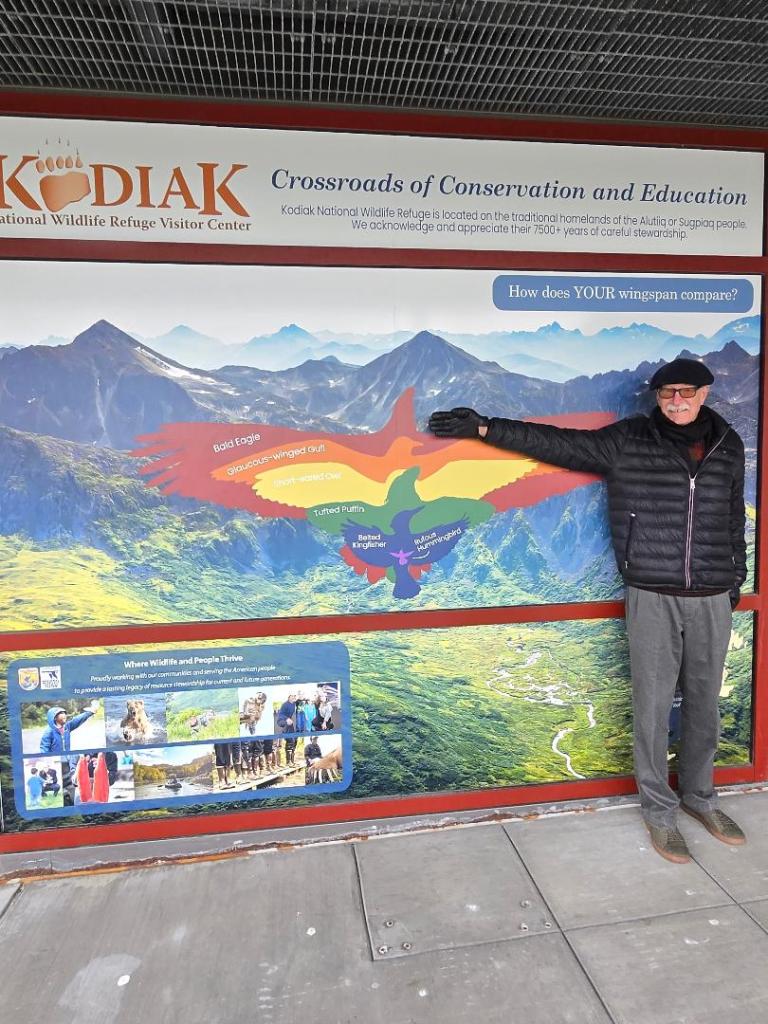
Guides on walking tours usually have experience with fishing in the fleet and are outstanding raconteurs. On Regent, that tour was included, but those that seek wildlife are $399 and above. The town has an excellent Visitors Center with knowledgeable staff, a large commercial marina, an Alutiiq (Aleut) museum, and a Russian church in a very walkable town. Kodiak was a surprise for its rich history and what the place has to offer for a short visit.
Anchorage
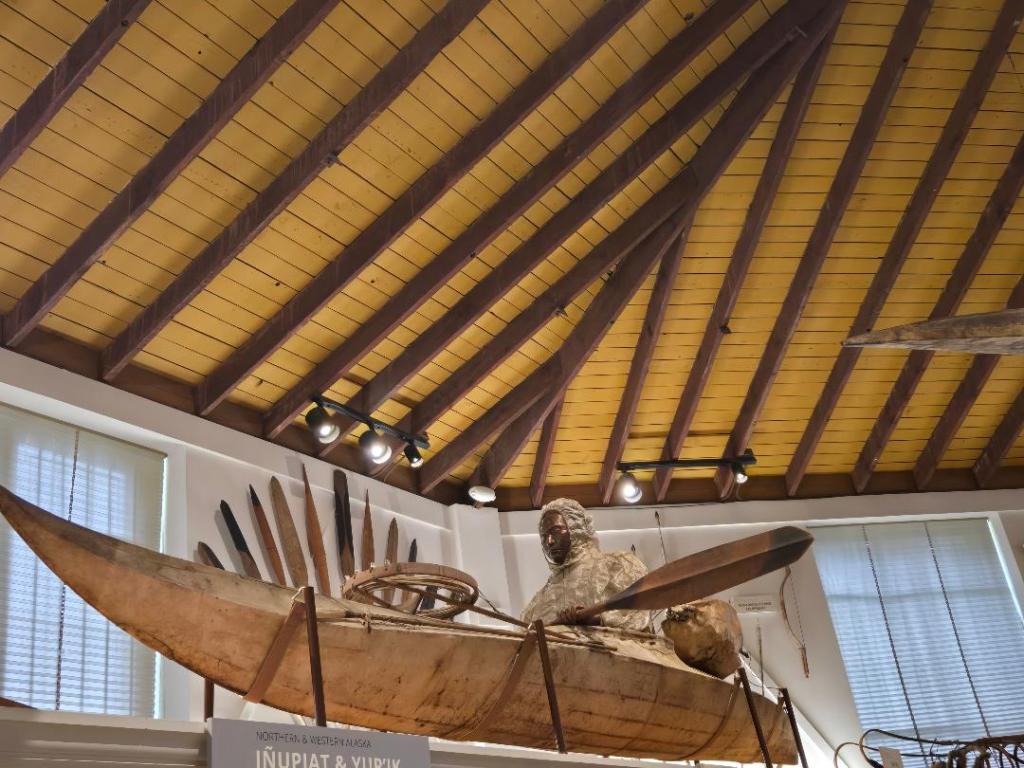
In a state whose rare population centers are mostly small towns, this city is the largest in Alaska by multiples. Its mostly cruise-driven tourist trade has been traditionally served by the port of Seward, but more recently, and for smaller ships like Regent’s Explorer, Whittier is preferred for its being closer and more modern. Anchorage is decent, all considered, but lacks the dramatic history of other stops on the state’s coastline and has little to offer the visitor in the city proper. The exception is Anchorage Museum, a striking facility that hosts a well-targeted and beautiful collection of artifacts from the various native peoples that live in the state as well as exemplary pieces from modern local artists.
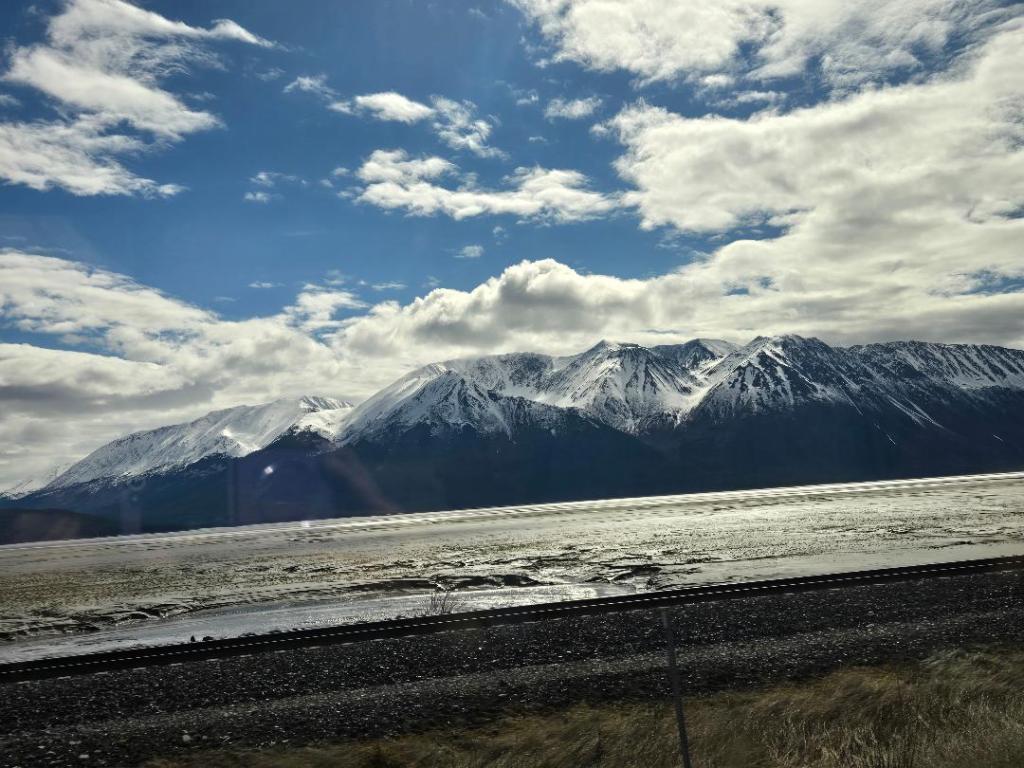
Of course, Anchorage can be the launch point for any number of adventures in the wild. A great thing is that the drive in from Whittier is stunning and considered by some to be a top 10 scenic drive in the U.S. The Seward highway runs smoothly in the flats along the Turnagain Arm to Cook Inlet at Anchorage. Though the region with the body of water is as flat as a pancake, stunning, snow-covered mountain ranges grace either side of the valley.
The Arm, which has some significant physical characteristics, grows wider on the way to Anchorage. It has extremely large shallows, which result in huge, rich mudflats at low tide. Also, because a finger of the Arm funnels into a narrow gorge at one diversion, it contains the second highest tide in North America, commonly at over 30 feet. The effect of tide ebb clashing with tide flow also creates bore waves, which are a number of parallel waves several feet high that are surfed by enthusiasts (we saw some). They run at over 10 miles per hour for a distance of over 40 miles!
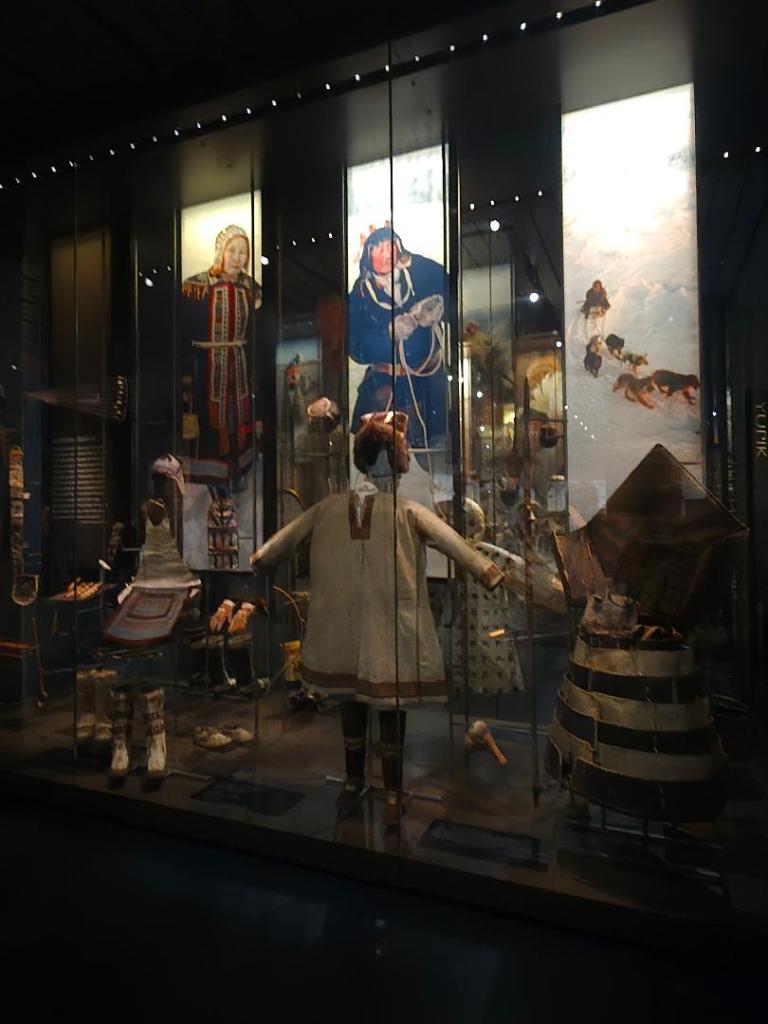
On the west side of the highway is the Alaska Wildlife Conservation Center full of rescued animals, while across the road is the Coastal Wildlife Refuge, a large marsh with abundant bird life. Also, scattered along the highway are the pallid and skeletal “ghost forests” of dead trees from the 1964 earthquake, killed by salt water intrusion that also preserved the wood.
Whittier is not touristy and is most noted for its secret naval base in WW II. The site was selected by the U.S. Navy because Whittier is almost always overcast, making detection from the air difficult.
Sitka and Ketchikan
In contrast to the isolated Kodiak, the more temperate Sitka and Ketchikan are two of the prime stops on the Inside Passage cruises, among the most popular in the world for their captivating beauty and spirited culture. The similarity is that like most of the Alaskan coastline, both offer some of the most beautiful vistas imaginable. Both S & K are on islands, inaccessible by car except by ferry. Both are small spots on the edge of the Tongass National Forest, the largest temperate climate protected forest in the world, like most of the coast, lush green with Sitka spruce, red and yellow cedar, hemlock, and more. They are also home to rescue centers for local wildlife.
The day after our stop in Sitka with only 600 visitors on our vessel, three ships with 8,000 passengers were slated to arrive, equaling the population of the town. The less-traveled Kodiak hosts around 25,000 cruise tourists per year, but Ketchikan, one of the largest cruise ports in the country, receives 1,600,000 in a season that runs only half the year. But for all of the overtourism in the towns, the main draw of Alaska cruises is nature. Nonetheless, the inundation of these towns with day visitors is another reason to go with a small capacity luxury line, as they have fewer passengers by multiples and are more likely to avoid hitting ports at prime time. While Regent’s complimentary excursions are limited in some destinations, it had a dozen each in S & K, so the big decisions are what to choose, as there is much more to see and do. Shuttles are offered into the center of town in most ports for those who wish to nose around on their own in addition to or instead of excursions.
Sitka’s history is rich with Russian colonization and wars with the indigenous Tlingit peoples. Sheldon Jackson, a Presbyterian minister and missionary in the late 1800s, looms large in Sitka. Jackson advocated for English language and Christian education for the tribes, establishing many schools for Native Americans. Several harmonious buildings from his main campus in Sitka still exist. But in ironic contradiction, he suppressed local culture and language to the extreme, yet collected over 5,000 Tlingit artifacts, because he feared the loss of their culture. These pieces form the basis for the impressive Sheldon Jackson Museum, beautifully housed in the first concrete building in Alaska, an octagonal shaped structure with one massive central atrium that holds the museums displays.
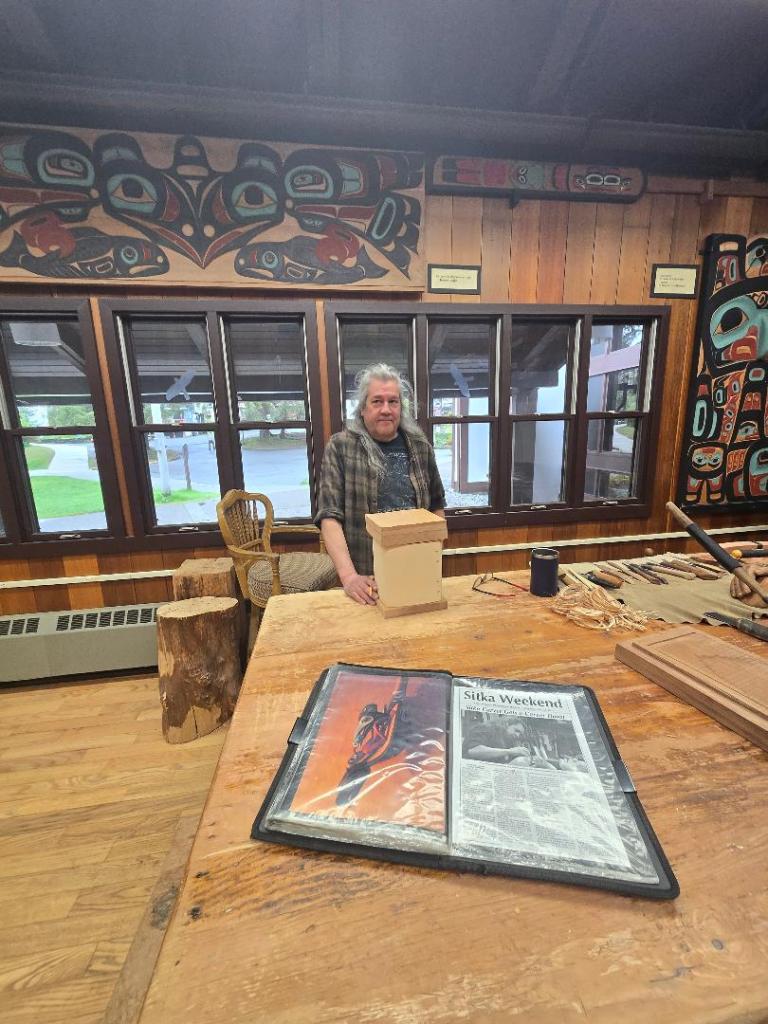
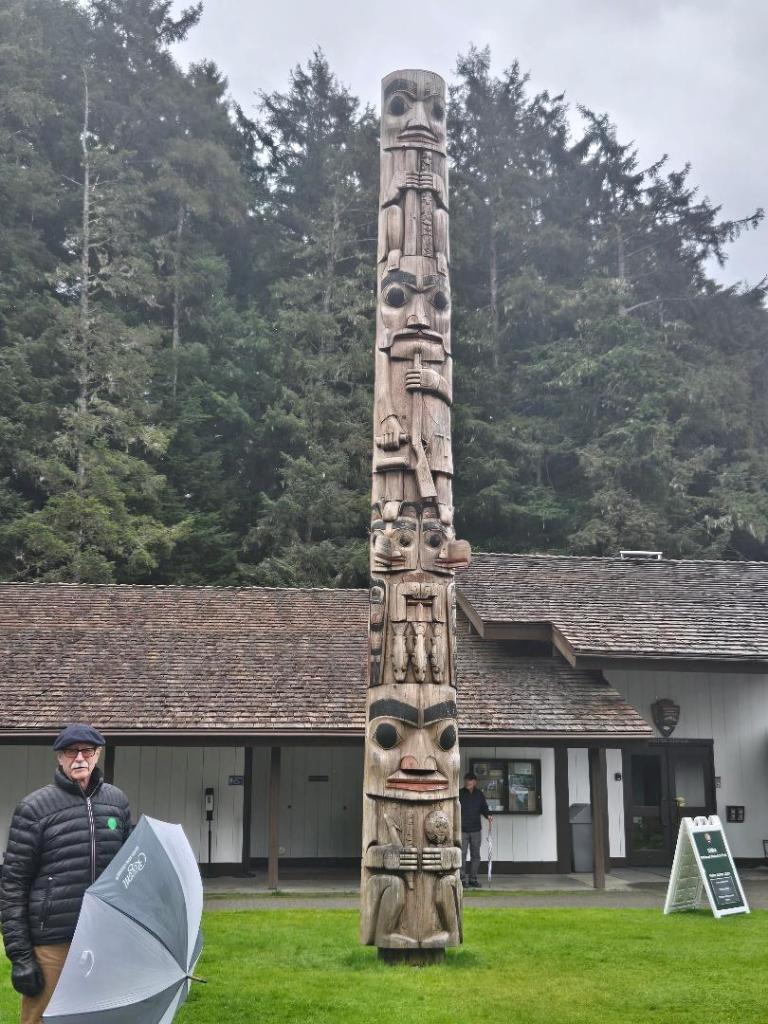
This is a region of potlatch culture, in which large ceremonies are hosted by individuals to depict their wealth and share with the community. It is also the land of totem poles that document the history of families and clans. The Sitka Visitors Center, along with other attractions, has a one-mile trail in the forest adorned with 30 impressive totem poles.
Although Sitka seems like the small town that it is, Ketchikan buzzes with tourist activities, mainly shopping of all ilks, restaurants, bars, and tour options for local flavor and for nature exploration. But beware, for most tours and products, Alaska is very expensive, even including processed salmon, which may be produced outside of the state. In contrast to Sitka’s significant religious history, Ketchikan is more noted for its brothels on Creek Street, active until 1954. They are memorialized at the most famous of them all, Dolly’s House, which survives as a museum acknowledging the ladies of the night. At the same time, Ketchikan also claims to have the greatest number of totem poles anywhere.
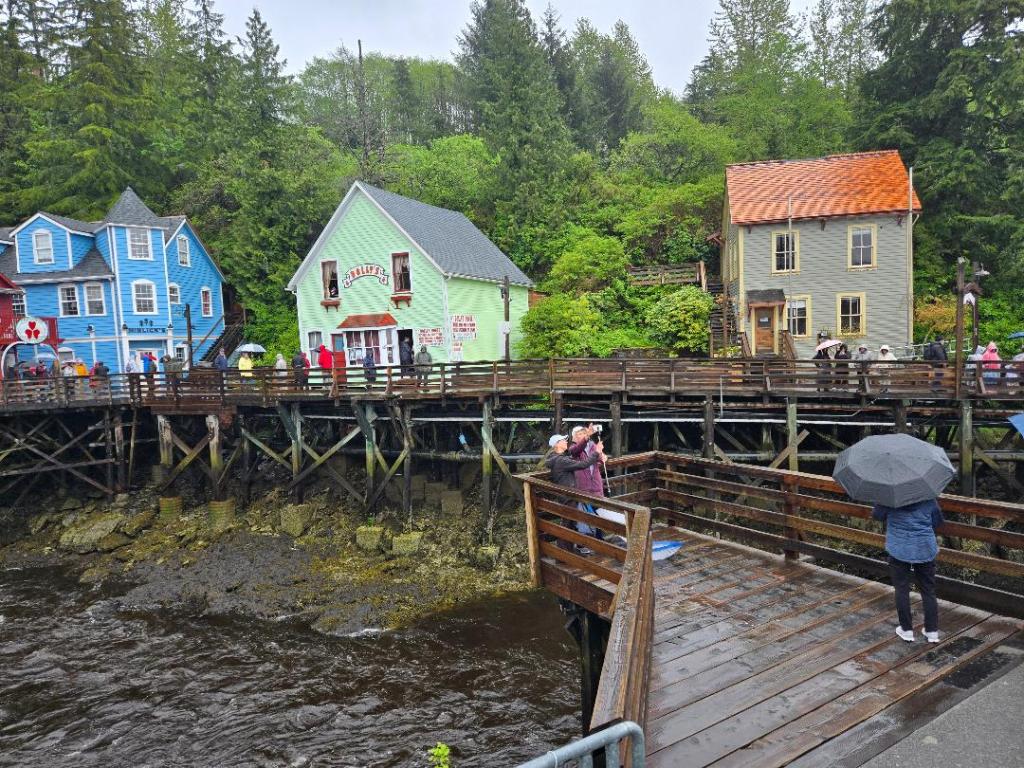
In addition to the history of adventure found in both towns, Ketchikan has noteworthy infrastructure. Much of its downtown, including the main thoroughfare, is built over water on stilts. It is home to a number of stair streets for pedestrians only, that otherwise have all of the entitlements of regular streets. And it has a short car tunnel in the Guinness Book of World Records for having the most ways of traversing its route – through, over, around, and even going under it in a boat.
Vancouver, Canada
Our cruise terminated in Vancouver, a sparkling city that shares much of the character of its American West Coast brethren, Seattle and San Francisco, regrettably including prominent homelessness. I’ll leave it to the reader to explore this comfortable yet interesting destination except for a few general comments.
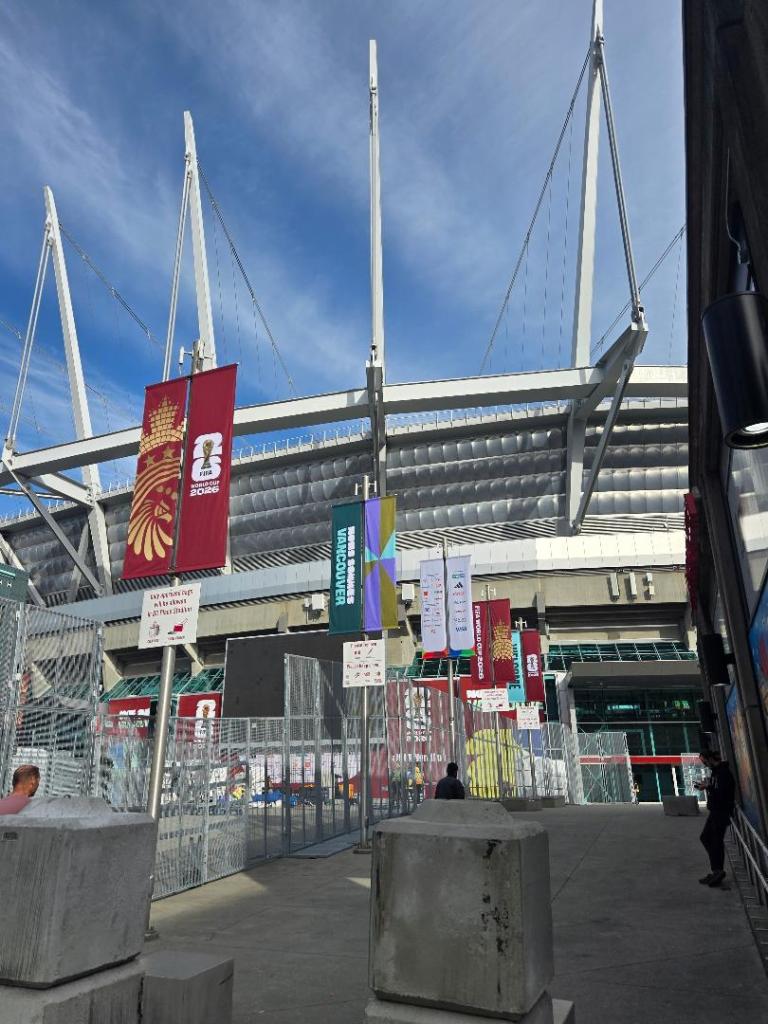
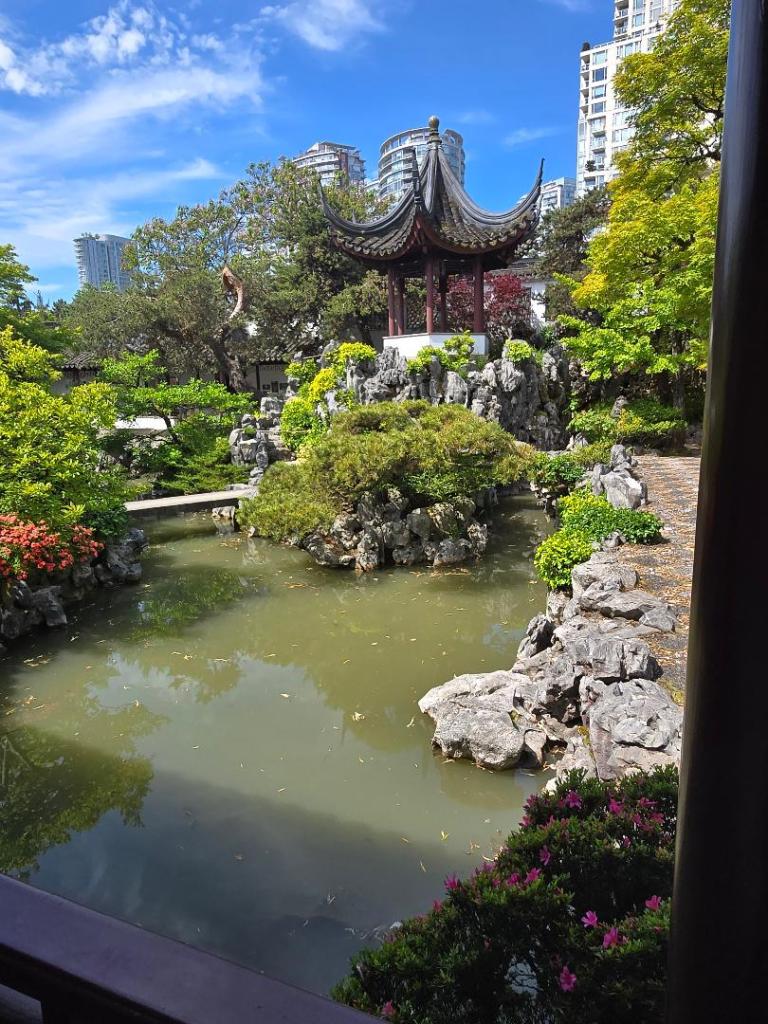
Vancouver deserves a special mention in my list of cities with the most beautiful junctures of cityscape, mountains, and sea, especially noting the charm of sea plane activity. Its greenery including fine parks is quaffed by rains similar to Seattle. The percentage of Asian population is the largest outside of Asia at over 40%, even exceeding the Bay Area. Its Chinatown ranks third largest in North America, replete with several museums and the exquisite gem, Dr. Sun Yat Sen Gardens, the likes of which I’ve seen in no other Chinatown. Granville Island is the place for arts and crafts shops, while the city offers much in the way of eating and drinking. Skiing can be found 15 minutes from downtown, while 1.5 hours away is Whistler Blackcomb with world class slopes and facilities. In all, it is an appealing location with much to offer.
Conclusion
My opinions should be clear. ‘nuff said.

